News

  • All articles
  • buy hemp infused drinks online
  • buy THC drinks online
  • CBD drinks
  • functional beverages 2026
  • hemp-derived delta-9 THC beverages
  • hemp-derived THC drinks
  • hemp-infused drinks
  • how to store THC products
  • nanoemulsion hemp beverages
  • nanoemulsion THC drinks
  • preserve THC potency
  • store THC carts
  • THC beverage effects
  • THC cart storage temperature
  • THC drink dosage
  • THC drink label decoding
  • THC drinks onset time
  • THC gummies storage
  • THC oxidation and CBN
  • THC tincture storage
  • Torch hemp drinks
 Best THC Carts

News

What Makes the Best THC Carts: Potency, Terpenes & Lab Testing

SEO Team.Jun 08, 2026
The best THC carts are often evaluated based on three primary factors: potency, terpene content, and independent laboratory testing. While many consumers focus on THC percentages alone, the overall quality of a vape cartridge depends on a combination of ingredients, manufacturing standards, and product transparency.  As the cannabis and hemp-derived cannabinoid market continues to evolve, consumers have access to a wide variety of products, including delta 8 THC carts, delta 9 THC vape carts, live resin cartridges, and distillate-based options. Understanding the differences between these products can help buyers make informed decisions and identify the best THC carts to buy for their preferences and needs.  In this guide, we will examine the factors that influence cartridge quality, discuss what makes a strongest THC cart, and explain why laboratory testing remains one of the most important indicators of product reliability.  What Are THC Carts?  THC carts, also known as THC vape cartridges, are pre-filled containers that hold cannabis or hemp-derived oil designed for vaporization. These cartridges are typically attached to a compatible battery and provide a convenient way to consume cannabinoids.  Most cartridges contain:  THC extract or distillate  Terpenes  Carrier-free cannabis oil  Additional cannabinoids depending on the formulation  The composition of a cartridge can significantly affect potency, flavor, and overall user experience.  Types of THC Vape Cartridges  Several categories of cartridges are available in today's market:  Delta 8 THC carts  Delta 9 THC vape carts  Live resin cartridges  Full-spectrum cartridges  Broad-spectrum cartridges  Distillate cartridges  Each type offers different cannabinoid and terpene profiles, making it important to understand how they compare.  Key Factors That Define the Best THC Carts  When evaluating cartridge quality, three factors consistently stand out:  Potency  Terpene profile  Lab testing  These elements work together to determine product quality, consistency, and transparency.  Potency  Potency refers to the concentration of THC and other cannabinoids within the cartridge oil.  Many consumers searching for the strongest THC cart focus on products with elevated THC percentages. However, potency should be viewed as one aspect of overall product quality rather than the only factor.  A cartridge with balanced cannabinoids and terpene content may provide a more complete experience than a product that focuses exclusively on THC concentration.  Terpenes  Terpenes are aromatic compounds naturally found in cannabis and many other plants.  They contribute to:  Aroma  Flavor  Product differentiation  Overall profile characteristics  The terpene composition can influence how a cartridge tastes and smells while also helping preserve the characteristics associated with specific cannabis cultivars.  Lab Testing  Independent third-party laboratory testing provides important information about:  THC levels  Cannabinoid composition  Heavy metals  Pesticides  Residual solvents  Microbial contaminants  Transparent testing practices allow consumers to verify product information before purchasing.   Understanding THC Potency  Potency is often the first specification consumers notice when comparing cartridges.  What Potency Means  THC potency typically refers to the percentage or milligram amount of tetrahydrocannabinol present in the oil.  For example:  70% THC  80% THC  90% THC  Higher percentages generally indicate more concentrated THC content.  Finding the Strongest THC Cart  The term strongest THC cart usually describes products with high cannabinoid concentrations. However, potency alone does not determine quality.  Factors that should also be considered include:  Extraction method  Terpene preservation  Product freshness  Manufacturing consistency  Lab verification  A cartridge claiming exceptionally high potency without supporting laboratory data may not provide reliable information.  Why Higher THC Is Not Always Better  While some consumers seek maximum potency, others prefer products with more balanced cannabinoid profiles.  Potential considerations include:  Personal tolerance  Desired experience  Flavor preferences  Product composition  Choosing a cartridge solely based on THC percentage may overlook other important quality indicators.  The Role of Terpenes in THC Carts  Terpenes play a significant role in distinguishing one cartridge from another.  What Are Terpenes?  Terpenes are naturally occurring compounds responsible for many plant aromas.  In cannabis, terpenes contribute to the unique scent and flavor characteristics associated with different cultivars.  Common Cannabis Terpenes  Terpene  Common Aroma  Found In  Myrcene  Earthy, herbal  Mangoes, cannabis  Limonene  Citrus  Lemons, oranges  Pinene  Pine  Pine needles  Caryophyllene  Peppery  Black pepper  Linalool  Floral  Lavender  Why Terpenes Matter  Terpenes contribute to:  Flavor complexity  Aroma authenticity  Product differentiation  High-quality cartridges often preserve terpene content throughout the extraction and formulation process.  Why Lab Testing Matters  Lab testing remains one of the most reliable methods for evaluating cartridge quality.  Cannabinoid Verification  Testing confirms:  THC levels  CBD levels  Minor cannabinoids  Product consistency  Contaminant Screening  Comprehensive laboratory analysis may screen for:  Pesticides  Heavy metals  Residual solvents  Mold  Bacteria  Transparency and Consumer Confidence  Accessible certificates of analysis help consumers verify product claims and compare products objectively.    Comparing Popular THC Cart Types  Delta 8 THC Carts  Delta 8 THC carts contain Delta 8 tetrahydrocannabinol, a cannabinoid commonly derived from hemp.  Characteristics may include:  Hemp-derived formulation  Availability in various terpene profiles  Multiple potency options  Delta 9 THC Vape Carts  Delta 9 THC vape carts contain Delta 9 tetrahydrocannabinol, the primary intoxicating cannabinoid naturally found in cannabis.  Consumers often compare Delta 9 products based on:  Potency  Terpene content  Extraction quality  Testing standards  Live Resin Cartridges  Live resin cartridges emphasize terpene preservation by using freshly harvested plant material during extraction.  Potential features include:  Enhanced aroma  Cultivar-specific flavor profiles  Rich terpene content  Distillate Cartridges  Distillate cartridges are known for:  High cannabinoid concentration  Consistent formulations  Broad availability  How to Choose the Best THC Carts to Buy  Consumers searching for the best THC carts to buy should carefully evaluate several factors before making a purchase. Taking the time to consider these elements can help ensure a safe, enjoyable, and consistent vaping experience.  Review Lab Reports  Always look for:  Third-party testing – Independent lab verification ensures the product’s cannabinoid content matches the label and confirms it is free of harmful contaminants.   Recent analysis dates – Make sure the testing is up to date, as older reports may not reflect the current batch or formulation.   Comprehensive contaminant screening – Check for pesticides, heavy metals, solvents, and microbial contaminants to ensure product safety.   Examine Ingredient Lists  Quality products typically provide clear ingredient disclosures. Look for cartridges that specify which terpenes, carrier oils, or other additives are included. Transparency in ingredients allows you to avoid unwanted chemicals and understand exactly what you are consuming.  Compare Potency  Choose potency levels appropriate for your preferences, tolerance, and experience. While some may seek the strongest THC cart, others may prefer moderate concentrations for smoother effects. Understanding the THC percentage and how it aligns with your desired experience is key to satisfaction.  Evaluate Terpene Content  Terpene-rich formulations often provide more distinct flavor characteristics and contribute to the overall sensory experience. Reviewing terpene profiles can help you select a cartridge that offers both enjoyable taste and potential complementary effects.  Verify Brand Transparency  Manufacturers that openly share product information, lab reports, and production standards generally offer greater transparency and reliability. Brands that prioritize openness allow consumers to make informed decisions with confidence.  Common Mistakes When Buying THC Carts  Common purchasing mistakes include:  Ignoring laboratory reports  Focusing only on THC percentage  Overlooking terpene profiles  Purchasing products without ingredient transparency  Choosing products based solely on marketing claims  Avoiding these mistakes can help consumers make more informed purchasing decisions.  THC Cart Comparison Table  Feature  Delta 8 THC Carts  Delta 9 THC Vape Carts  Live Resin Carts  Distillate Carts  THC Source  Hemp-derived Delta 8  Delta 9 THC  Cannabis extract  Refined distillate  Potency Range  Moderate to High  High  Moderate to High  High  Terpene Content  Variable  Variable  Typically High  Added or native  Flavor Complexity  Moderate  Moderate to High  High  Moderate  Lab Testing Importance  Essential  Essential  Essential  Essential  Conclusion  Selecting the best THC carts involves more than comparing THC percentages. Potency, terpene preservation, ingredient transparency, and independent laboratory testing all contribute to product quality. Whether evaluating delta 8 THC carts, delta 9 THC vape carts, live resin options, or distillate formulations, consumers benefit from reviewing product information carefully and prioritizing transparency.  Brands such as Torch Hemp emphasize the importance of product information, testing standards, and consumer education within the evolving hemp marketplace.  Contact Us  For additional information about hemp-derived cannabinoid products, product testing, and educational resources, contact Torch Hemp.  Frequently Asked Questions  Q1: What are the best THC carts for beginners? Cartridges with moderate THC levels, clear lab testing, and labeled terpene profiles are ideal for new users. Lower potency allows beginners to gauge tolerance safely.  Q2: How do I choose the best THC carts to buy? Look for verified lab reports, transparent ingredients, appropriate potency for your experience, and terpene-rich formulations for flavor and aroma.  Q3: Are all THC carts the same? No. THC carts differ by extraction method, cannabinoid composition, terpene content, and quality control standards. Distillate, live resin, Delta 8, and Delta 9 carts all offer unique experiences.  Q4: What makes a THC cart “strong”? Strength is usually based on THC concentration, often expressed as a percentage or mg per cartridge. Terpenes and other cannabinoids also influence perceived potency.  Q5: Are high-THC carts always better? Not always. High THC may not guarantee a better experience. Terpene balance, extraction quality, and cannabinoid synergy can enhance effects more than sheer potency.  Q6: How long does a THC cart last? Usage frequency, cartridge size, and potency determine longevity. Light users may get several weeks; heavy users may finish a cartridge in days.  Q7: Can THC carts lose potency over time? Yes. Heat, light, and air exposure can degrade cannabinoids and terpenes. Proper storage in a cool, dark place preserves quality.  Q8: What is the difference between Delta 8 THC carts and Delta 9 THC vape carts? Delta 8 is typically less potent and derived from hemp, while Delta 9 is the primary psychoactive cannabinoid in cannabis. Effects, potency, and legal status vary between them.  Q9: Are Delta 8 THC carts legal everywhere? Legality depends on state and local regulations. Some regions restrict Delta 8 differently than Delta 9. Always check local laws before purchase.  Q10: Why are terpenes important in THC carts? Terpenes affect flavor, aroma, and overall experience. They also help replicate the unique profiles of different cannabis strains. 
THC Drinks Online

News

Buy THC Drinks Online: THC Drinks Explained (Onset Time, Dosage & Experience) In 2026

SEO Team.May 30, 2026
THC drinks are one of the fastest-growing ways adults (21+) are choosing to consume cannabinoids in 2026 because they’re discreet, social-friendly, and easier to dose than many traditional edibles. But they also come with new questions: Why do some drinks hit in 10 minutes while others take an hour? What’s a “microdose” in a can? And how do you avoid the classic “I don’t feel it… so I took more” mistake? If you’re looking to buy THC drinks online, this guide breaks down exactly what to expect: realistic onset times, dosing ranges, label decoding, and how different formulas (nano vs. traditional emulsions) change the experience. You’ll also learn what’s changing in 2026 especially around hemp-derived compliance, testing transparency, and how brands are formulating for faster, smoother effects. What THC drinks are (and why they feel different from edibles) THC drinks often labeled as delta 9 THC beveragesor hemp infused drinks are beverages infused with cannabinoids, typically THC (and sometimes CBD, CBG, or minor cannabinoids). In the hemp market, many products are formulated with hemp-derived delta-9 THC and must remain compliant with federal hemp definitions (commonly discussed in the industry around ≤0.3% delta-9 THC by dry weight at the time of manufacture). Unlike gummies or baked edibles, drinks often use emulsions (oil-in-water) or nanoemulsions to disperse cannabinoids more evenly. That matters because the body can absorb smaller droplets differently, which can shift onset and “feel.” Many consumers describe THC drinks as: Market momentum is also real: beverage-alcohol alternatives have been growing steadily as more adults reduce alcohol intake. Non-alcoholic beverage sales have climbed meaningfully in the last few years, supporting the broader “social sips” trend that THC beverages fit into (NielsenIQ, 2023). Onset time: how fast THC drinks kick in (and why) Onset is the #1 make-or-break factor for a good experience. THC beverages can kick in faster than standard edibles, but there’s a wide range depending on formulation, your metabolism, and what you’ve eaten. Typical onset, peak, and duration ranges Most adults feel THC beverages within 10–60 minutes, peak around 45–120 minutes, and experience effects for 2–6 hours. Faster isn’t always better some people prefer a slower, gentler climb that’s easier to manage. Why the range? Because cannabinoids can be absorbed through multiple pathways: a small portion may absorb earlier, while the rest is processed through digestion and the liver (which is where stronger metabolites can form in traditional edibles). Nanoemulsion vs. traditional infusion: what changes “Nano” typically means smaller droplet size and more uniform dispersion, which can increase consistency and sometimes speed up onset. In practice, many consumers report nano beverages feel: Research on cannabinoid emulsions suggests formulation meaningfully affects absorption kinetics and subjective experience (Journal of Cannabis Research, 2020). The key takeaway: the same “5 mg THC” can feel different depending on the tech behind it. Food, alcohol, and caffeine: the real-world modifiers Pro move: If you want predictability, drink water, eat a light snack, and keep your setting consistent the first few times. Dosage in 2026: how to choose the right mg (and avoid overdoing it) Dosage is where most people get tripped up especially when they’re excited to try a new “social” format. The golden rule is still true in 2026: start low, go slow. But we can be more specific than that. A practical dosing guide (micro to high) Here’s a realistic dosing framework for THC drinks. Your ideal dose depends on tolerance, body size, sleep, stress, and whether you’re sipping slowly or chugging. THC per serving Who it’s for Typical onset & feel Best use case 1–2.5 mg New users, low tolerance, “microdosers” Subtle relaxation; 15–60 min Social sipping, light mood lift 3–5 mg Occasional users Noticeable calm/euphoria; 15–60 min Evening unwind, music/movies 6–10 mg Moderate tolerance Stronger psychoactivity; 20–75 min Deep relaxation, creative time 10–20+ mg High tolerance only High impairment risk; longer duration Not recommended for beginners Serving size vs. can size: read the label like a pro In 2026, brands commonly sell a can that’s either one serving or multi-serve. Multi-serve cans are great for value, but they’re also where mistakes happen. Always check: Label clarity has improved, but it’s not perfect. Industry-wide, consumers still report confusion around cannabinoid labeling and potency interpretation, which is why transparent COAs (certificates of analysis) matter (U.S. FDA consumer updates and warning-letter themes, 2023–2025). How long to wait before taking more (the “sip-and-wait” protocol) Why 60–90 minutes? Because even “fast” drinks can surprise you if digestion, stress, or food timing changes the curve. The THC drink experience: what it feels like (and how to steer it) The best THC drink experiences are intentional: the right dose, the right vibe, and a plan for pacing. Compared with smoking or vaping, drinks often feel rounder and longer, and compared with classic edibles they can feel more gradual especially with modern emulsions. Common effects people report Negative effects typically come from too much THC too fast: anxious thoughts, rapid heartbeat, dizziness, nausea, or feeling “too high.” These outcomes are far more common with redosing too soon than with a single appropriately sized dose. Setting, hydration, and pacing: the underrated tools Three simple levers make the biggest difference: As more adults replace alcohol with THC beverages, pacing becomes a skill especially because the feedback loop is slower than alcohol’s immediate buzz. That cultural shift is one reason THC drinks are trending in 2026 in hospitality and event settings (where legal), with venues emphasizing lower-dose options and clearer education. Delta 9 THC beverages, hemp infused drinks, and legality: what’s changing in 2026 In May 2026, the biggest story in hemp-derived THC is uncertainty plus modernization: rules are evolving, enforcement varies by state, and brands are adapting fast. If you’re researching thc drinks buyoptions online, you need to think about compliance like a grown-up not an afterthought. Hemp-derived delta-9: why “dry weight” is still a flashpoint Many hemp THC beverages rely on the “≤0.3% delta-9 THC by dry weight” interpretation. Drinks are mostly water, which can create confusing math and inconsistent state interpretations. In 2025–2026, more states moved to restrict certain intoxicating hemp products or require regulated channels, and many retailers tightened policies as a result (state legislative trackers and trade coverage: Cannabis Business Times, MJBizDaily, 2025–2026). Practical takeaway: Always confirm the product can legally ship to your location, and prefer brands that publish clear compliance statements and COAs. Testing transparency is now a competitive advantage Consumers are demanding better proof of what’s in the can especially around total THC, minor cannabinoids, heavy metals, pesticides, residual solvents, and microbial contaminants. The U.S. FDA has continued to signal concern about unsubstantiated health claims and inconsistent quality in cannabinoid products (U.S. FDA, 2023–2025). While federal rules remain complex, the market is moving toward: 2026 formulation trends: faster onset, better taste, fewer calories Modern THC drinks are leaning into: These trends mirror broader beverage innovation and the consumer push toward functional, lower-calorie drinks (NielsenIQ, 2023; trade reporting, 2024–2026). How to buy thc drinks online safely: a quality checklist? Shopping online is convenient, but it also puts the responsibility on you to verify quality. Use this checklist before you add to cart. Real-world scenario: choosing your first product If you’re new and want a smooth first try, choose a 2–5 mg THCdrink, ideally single-serve, with a QR-code COA. Plan a low-stakes evening, drink half, wait 60–90 minutes, then decide if you want the rest. This approach reduces the chance of “stacking” doses and turning a fun night into a long one. Common mistakes to avoid (and pro tips for a better session) Most bad experiences aren’t random they’re predictable. Here’s what to avoid, and what to do instead. Mistake #1: treating it like alcohol timing Alcohol gives quick feedback; THC drinks don’t always. Pro tip: Set a timer for 60 minutes after your last sip before you consider more. Mistake #2: ignoring total THC per container Multi-serve cans can quietly deliver 10–50 mg total depending on the product. Pro tip: Pour into a measuring cup once to “calibrate” what half or a third actually looks like. Mistake #3: mixing with alcohol or other intoxicants Combining substances increases impairment and unpredictability. Pro tip: Pick one lane for the night especially if you’re new. Mistake #4: choosing a high dose because “I have a high tolerance to gummies” Tolerance doesn’t always transfer perfectly between formats and formulations. Pro tip: Try a lower dose first when switching to beverages, especially nano-infused drinks. Mistake #5: panicking if it’s stronger than expected If you overdo it, you’re not in danger in most typical adult-use scenarios, but you may feel uncomfortable. Pro tip: Hydrate, eat something bland, lie down, and reduce stimulation; CBD may help some people feel calmer, but effects vary. Conclusion THC drinks are not just “edibles in liquid form.” In 2026, better emulsions, clearer labeling, and the rise of low-dose social formats have made beverages one of the easiest ways to fine-tune your experience ifyou pace it correctly and buy from brands that prove what’s in the can. If you’re ready to explore a more modern way to sip and chill, Torch Hemp is here to help you choose a THC beverage that matches your vibe without the guesswork. For product questions, lab reports, or help picking the right dose, contact us through our website support chat or email our team directly from the Torch Hemp Contact page. Frequently asked questions How long do THC drinks take to kick in? Most THC drinks start to be felt in 10–60 minutes, depending on formulation (nano vs. traditional), your metabolism, and whether you’ve eaten. Peak effects commonly arrive around 45–120 minutes. If you’re unsure, wait 60–90 minutes before taking more. What’s a good beginner dose for a THC drink? For most beginners, 1–2.5 mg THC is a smart starting point, especially if you’re sensitive to THC. If you’ve used cannabis before but not drinks, 3–5 mg is often a reasonable first session. Sip slowly and don’t stack doses too quickly. Are delta 9 THC beverages stronger than edibles? Not necessarily strength is about milligrams of THC, not the format. However, some drinks (especially nanoemulsions) can feel faster and more predictable than classic edibles. That faster onset can make them feel “stronger” if you redose too soon. Can I drive after drinking a THC beverage? No don’t drive while impaired. THC beverages can affect reaction time and judgment, and the duration can last several hours. Plan a ride or enjoy at home. Why don’t I feel anything from a THC drink? Common reasons include taking too low a dose, consuming with a heavy meal (slower onset), or having higher tolerance. Give it 90 minutes before deciding it “didn’t work,” and consider adjusting in small increments next time. If it repeatedly doesn’t work, your body may respond better to another format. Do THC drinks hit faster on an empty stomach? Often yes many people report faster onset and a stronger peak when they consume THC on an empty stomach. If you want a smoother ride, try a light snack first. Consistency helps you dial in your personal timing. Is it legal to buy THC drinks online in 2026? It depends on your location and the product’s compliance pathway (for example, hemp-derived delta-9 rules and state restrictions). Laws and enforcement vary widely by state and can change quickly. Always confirm shipping eligibility, age verification (21+), and access to third-party lab testing. What should I look for in a COA for hemp infused drinks? Look for batch-specific potency plus contaminant panels: heavy metals, pesticides, residual solvents, and microbials. The COA should match the product name/batch number and be recent. If the brand won’t provide it, that’s a strong reason to pass. Can I mix THC drinks with CBD? Many products already combine THC + CBD, and some users find CBD makes the experience feel calmer or less edgy. Effects vary by person and ratio, so start low and track what works. If you’re sensitive to THC, a balanced product may be worth trying. Should I refrigerate THC drinks? Follow the label instructions. Many beverages are shelf-stable, but refrigeration can improve taste and may help preserve certain flavor ingredients. Avoid storing in hot environments, which can degrade quality over time.
Torch Hemp Drinks

News

Why Torch Hemp Drinks Are Growing In Popularity Across The USA

SEO Team.May 26, 2026
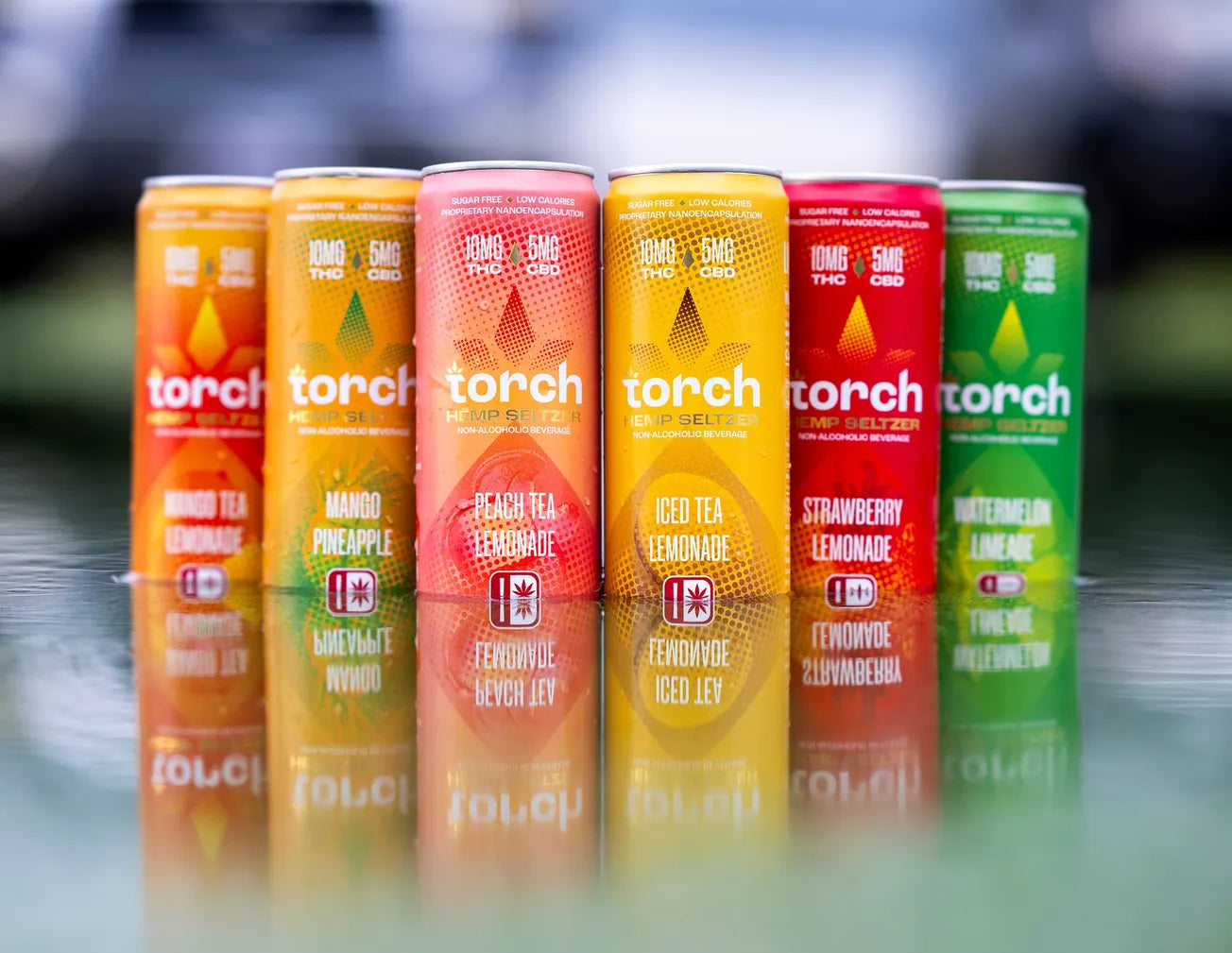
Hemp-infused beverages have moved from “curious novelty” to mainstream checkout item and the pace is accelerating in 2026. In the last few years, U.S. adults have been steadily cutting back on alcohol, while functional beverages (mood, focus, recovery, sleep) keep taking shelf space. That’s exactly where torch hemp drinks fit: convenient, sessionable, and designed for modern routines after-work wind-downs, social hangs, and “I want a vibe, not a hangover” weekends. In this guide, you’ll learn why hemp drinks are blowing up across the USA, what’s changing in 2026 (regulatory, retail, and formulation trends), how to choose a quality drink, and how to buy hemp infused drinks safely when you shop hemp infused drinks online. What “hemp-infused drinks” actually are (and why people love the format) Hemp-infused drinks are beverages formulated with hemp-derived cannabinoids (most commonly CBD; sometimes compliant hemp-derived THC in select markets where permitted). The biggest appeal is simple: they’re easy. No measuring droppers, no capsules, no smoke just crack a can, sip, and go. CBD vs. hemp-derived THC drinks: know the difference CBD drinks are typically used for calm, recovery, and “take the edge off” support without intoxication. Hemp-derived THC drinks are designed for a noticeable “buzz,” but they live in a more complex regulatory and retail environment and can vary heavily by state and retailer policy in 2026. Either way, consumers are gravitating to beverage formats because they feel more “normal” in social settings than tinctures or gummies especially for wellness-first adults who don’t identify as traditional cannabis users. Why beverages feel different than gummies for many users People often report hemp drinks as more “sessionable” and easier to pace. That’s partly behavioral (sipping vs. eating) and partly formulation-driven many brands use emulsification or nanoemulsion technology to disperse cannabinoids more evenly in water-based drinks. While consumer experience varies, beverages have become the go-to for those who want more controlover their evening than a high-dose edible. The macro forces driving hemp drink growth in the USA Hemp beverages are riding multiple category waves at once: functional drinks, alcohol alternatives, and modern convenience culture. The result is a rare overlap of strong demand and frequent repeat use especially for low/zero-alcohol lifestyles. Alcohol reduction is no longer niche “Sober curious” has matured into a durable consumer behavior. In a global consumer survey, 43% of respondents said they were trying to drink less alcohol (NielsenIQ, 2023). In the U.S., younger adults have been especially open to alternatives that still feel social. Functional beverage growth is real and measurable Functional beverages are one of the most competitive aisles in retail right now (adaptogens, electrolytes, nootropics). Hemp drinks slot into this “benefits-first” mindset. The broader wellness economy keeps expanding too: the global wellness economy reached $6.3T(Global Wellness Institute, 2023), and beverage brands are aggressively competing for a piece of daily wellness rituals. Consumer trust is improving with better testing and transparency In 2026, buyers are more educated about certificates of analysis (COAs), cannabinoid potency, and “what’s actually in the can.” Brands that publish batch-level lab testing and keep ingredients clean are converting first-timers into repeat customers especially online where shoppers can verify details before checkout. What’s new in 2026: formulation, retail, and compliance trends? 2026 is shaping hemp drinks in three big ways: better tech, more retail structure, and stricter expectations around safety and labeling. Trend 1: Faster-onset emulsions and “microdose” cans Beverage formulation has improved quickly. Many brands now focus on consistent dispersion, flavor masking, and smaller, more flexible doses. Microdose formats (think 2–5 mg per serving for THC-leaning products in compliant contexts, or moderate CBD like 10–25 mg) are popular because they’re approachable and easier to stack responsibly. Trend 2: Retailers are curating the set (and demanding documentation) National and regional retailers increasingly require documentation: potency, heavy metals, pesticides, residual solvents, microbials, and packaging compliance. Even when federal rules stay murky, retail standards are getting tighter similar to how the supplement category evolved. Trend 3: Regulation-by-enforcement and platform policies In 2026, hemp beverage growth is also shaped by what payment processors, marketplaces, and ad platforms allow. Many brands are building resilient sales channels email, SMS (where permitted), SEO, and compliant affiliates because paid ads can be inconsistent. The brands winning are the ones that treat compliance as product design, not an afterthought. What consumers are buying: flavors, effects, and use cases Hemp drink buyers aren’t one “type” of customer anymore. They include wellness shoppers, fitness-minded adults, social drinkers replacing alcohol, and cannabis-curious consumers who want a controlled entry point. Flavor and format innovation Expect fewer “weed-adjacent” flavors and more premium beverage cues: citrus spritz, ginger-lime, berry hibiscus, and zero-sugar options. Sparkling remains dominant because it delivers a satisfying “adult beverage” feel without alcohol. Why price is becoming more competitive As more brands enter and ingredient sourcing scales, pricing is stabilizing. Online bundles and subscriptions also help lower cost-per-serving. For shoppers, the best value is rarely the cheapest can it’s the one with verified potency, clean ingredients, and consistent experience. How to evaluate quality before you buy hemp infused drinks? With more options than ever, the smartest move is to shop like an auditor. In a compliance-sensitive category, quality signals are non-negotiable. Comparison table: what to check before you shop hemp infused drinks online What to check What “good” looks like Why it matters COA (lab report) Recent, batch-specific, third-party lab; easy to access via QR/link Verifies potency + screens for contaminants Potency labeling mg clearly stated per can + per serving; consistent across flavors Prevents accidental over/under-dosing Ingredients Transparent, minimal additives; sugar clearly stated Supports wellness goals and reduces sensitivity issues Shipping + storage Heat-aware shipping policies; clear storage instructions Protects flavor stability and product integrity Brand compliance posture Age gating (21+), clear warnings, no medical claims Signals professionalism and reduces buyer risk Real-world scenario: choosing a drink for a weekend event If you’re replacing alcohol at a barbecue, pick a sparkling hemp drink with a moderate, clearly labeled dose and a flavor profile that pairs with food (citrus/ginger are safe bets). If you’re new, start with a half serving and wait before re-dosing especially when mixing with caffeine, dehydration, or long sun exposure. Pro tips and common mistakes to avoid Most disappointing experiences come from two things: buying the wrong product for your goal, or using it like it’s “just a soda.” Hemp drinks are still functional products treat them with that respect. Market proof: the numbers behind the boom Hemp drinks aren’t growing in a vacuum they’re benefiting from measurable shifts in consumer behavior and category investment. Mini case-style takeaway: why beverages can outperform other formats Brands often see higher repeat rates with beverages when the experience is predictable: consistent taste, consistent effect, and easy routine integration (one can = one decision). That’s why in 2026, top operators invest heavily in sensory quality (flavor, mouthfeel, carbonation) plus compliance proof (COAs and tight labeling). How to shop smart: where and how to buy in 2026 If you want the simplest, most reliable route, shop hemp infused drinks online from established brands that publish testing and ship with clear policies. Online shopping also lets you compare ingredients, dosing, bundles, and reviews without the pressure of an in-store decision. Conclusion Hemp-infused drinks are growing across the USA because they match how people live in 2026: social, health-aware, and obsessed with convenience. The brands that win will be the ones that combine great taste, consistent effects, and serious transparency. If you’re ready to explore the category, shop torch hemp drinks with a quality-first mindset: verify the lab report, choose a dose you can manage, and pick flavors you’ll actually want to drink again. For curated options and transparent testing, explore Torch Hemp and find the right fit for your routine. Contact us if you have questions about products, lab reports, or choosing the right drink, reach out via our website contact page at Torch Hemp. Frequently asked questions What are torch hemp drinks? Torch hemp drinks are hemp-infused beverages designed for adults (21+) who want an easy, drinkable format for hemp-derived cannabinoids. Exact formulations vary by product, so always check the label and batch-specific COA. The key is transparent dosing and clear ingredient quality. Why are hemp-infused drinks getting popular in the USA right now? They sit at the intersection of alcohol alternatives and functional wellness beverages. In 2026, more consumers want social, relaxing options without the downsides of alcohol, and beverages are familiar and easy to pace. Better formulations and stronger retail standards are also improving trust. How do I buy hemp infused drinks safely online? Only buy from brands that provide third-party, batch-specific COAs and full safety testing. Confirm dosing per can, review ingredients, and check shipping/storage guidance. If the testing is missing or vague, skip it. Are hemp drinks the same as CBD drinks? Not always. Some hemp drinks contain CBD only, while others may include hemp-derived THC depending on the product and where it’s sold. Always read the label and COA to confirm the cannabinoid profile. How long do hemp-infused drinks take to kick in? Timing varies by person, serving size, and formulation. Many people start evaluating effects within 15–45 minutes, but you should give it time before taking more. The safest approach is to start with a partial serving and wait. Can I mix hemp-infused drinks with alcohol? It’s generally not recommended because the combined effects can be unpredictable. If you choose to do so anyway, keep amounts low and be extra cautious with timing and hydration. For most people, hemp drinks work best as a replacement for alcohol, not an add-on. Should I choose a higher mg hemp drink for stronger effects? Not automatically. Higher doses can be harder to control and may increase the chance of unwanted effects (like feeling too drowsy). Many adults prefer moderate doses they can sip and adjust. What should I look for on a COA for hemp beverages? Check that the COA is recent, batch-specific, and includes potency plus contaminant screening (heavy metals, pesticides, microbials, residual solvents). Make sure the tested cannabinoid amounts match what the label claims. If you can’t match the COA to your product, consider it a red flag. Are hemp drinks legal in every state? Rules vary by state and by cannabinoid type (CBD vs. hemp-derived THC). Even when federal frameworks are debated, state policies and retailer requirements often determine what’s actually available. Verify your local rules before ordering, especially for THC-containing beverages. What’s the best way to shop hemp infused drinks online for the first time? Start with a sampler or variety pack, pick a moderate dose, and test it on a calm evening. Take notes on flavor, onset, and how you feel the next day. Once you find your “sweet spot,” buying bundles can improve value per can.
buy THC drinks

News

Buy THC Drinks In 2026: Choosing The Right Sparkling, Energy, Or Chill Option

SEO Team.May 21, 2026
THC drinks have gone from “novelty” to “new normal” especially for adults (21+) who want a predictable, smoke-free vibe. In fact, beverage and edible formats continue to gain share as consumers prioritize discretion and dose control, while alcohol alternatives keep trending upward. If you’re trying to buy THC drinks today, the choices can feel overwhelming: sparkling sippers for social nights, a hemp infused energy drink for daytime focus, or mellow “chill” blends designed for decompression. This guide breaks down how each type works, what to look for on labels, and how to match a drink to your tolerance, timeline, and lifestyle. You’ll also learn what’s changing in 2026 (from dosing tech to compliance expectations), common mistakes to avoid, and a simple decision framework that makes your next purchase easy. Why THC drinks are booming? Consumers are increasingly seeking non alcoholic thc drinks that fit into wellness-forward routines without the hangover, odor, or calories that often come with alcohol. The “drinkable edible” is also easier for many people to dose than gummies especially when brands use modern emulsification for faster onset and consistent effects. Market context matters, too: the broader legal cannabis market remains on a steep trajectory. Global legal cannabis sales are projected to reach $102.2B by 2030(Grand View Research, 2024), and beverages are one of the fastest-iterating subcategories because taste, packaging, and dosing can be optimized quickly. Sparkling THC drinks: the “social sipper” profile Sparkling THC drinks are typically built for easy social pacing. Think low-to-moderate THC per can, bright flavors, and carbonation that helps them feel like a “real” replacement for a cocktail or hard seltzer. What to look for on the label? When you buy sparkling THC drinks, prioritize clarity and repeatability: Practical tip: For a social event, many experienced consumers start with 2.5–5 mg THC, then wait a full onset window before adding more—especially with faster-acting beverages. Hemp infused energy drink: when you want lift, not couch-lock A hemp infused energy drink blends cannabinoids with caffeine and functional ingredients (like B-vitamins, L-theanine, or adaptogens). The goal isn’t just “high + caffeine.” The best formulas feel more like clean energy with a controlled mood shift. Who should choose an energy-style THC drink? THC and caffeine can amplify each other for some people. If you’re sensitive to either, the combo may increase heart-rate perception or anxiety. Start low, and don’t stack quickly. Edge case :If you’re prone to anxiety, choose an energy drink that includes L-theanineand keep THC low. Or skip caffeine entirely and use a sparkling low-dose THC option instead. Chill THC drinks: relaxation, recovery, and “end-of-day” rituals “Chill” drinks are built for decompression often with calming terpenes and botanicals (like chamomile, lavender, or magnesium), sometimes with minor cannabinoids such as CBG or CBN (where legal and properly labeled). They’re popular among adults replacing a nightly glass of wine with non alcoholic thc drinks that still feel like a ritual. What “chill” really means (and what it doesn’t) Chill does not automatically equal “sleep aid.” THC can support relaxation for many people, but high doses can backfire especially for newer users. Also, effects depend on the person, timing, and whether you’ve eaten. Real-world scenario: If you’re trying to replace alcohol at night, pick a chill drink at 2.5–5 mg THC and commit to a “one and wait” rule for the first few sessions. Track your response in a notes app to find your repeatable dose. How to choose the right THC drink: a quick comparison table? Use the table below as a practical shortcut. The “best for” column is your north star; the “watch-outs” column helps you avoid the most common regret purchases. Type Best for Typical experience Watch-outs Sparkling THC drink Social events, pacing, flavor Light-to-moderate lift; easy sipping Over-sipping can lead to accidental overconsumption Hemp infused energy drink Daytime, creative work, active hangouts Uplift + alertness (THC + caffeine synergy) Anxiety risk for caffeine-sensitive users; don’t stack stimulants Chill THC drink Evening wind-down, alcohol replacement Relaxation and body ease; slower pacing Too much THC can feel foggy; not ideal before tasks/driving What’s changing in 2026: trends, tech, and compliance realities? In 2026, THC beverages are evolving fast both in product quality and in how they’re marketed and sold. Here’s what matters right now if you want to buy hemp thc drinks with confidence. 1) Faster-onset tech is becoming the baseline More brands are using modern emulsions to tighten onset windows and reduce “nothing…nothing…oh wow” delayed effects. That shift aligns with consumer preferences for predictability one reason edibles remain a leading category in many markets. In regulated cannabis, edibles/gummies have been among the top product categories by sales in U.S. adult-use markets (Headset, 2024). 2) Cleaner labels and functional formulas Consumers are scrutinizing sugar, artificial dyes, and calorie counts. Beverage formulations now compete with functional sodas and NA cocktails. Expect more: 3) Stronger expectations for testing and transparency Even outside fully regulated adult-use channels, shoppers increasingly demand batch-specific COAs and clear cannabinoid breakdowns. In supplements more broadly, trust is a buying trigger: 59% of U.S. consumers say third-party testing is important for dietary supplements(CRN Consumer Survey, 2023). THC beverages are trending the same direction. 4) Ads are tighter; SEO and “answer” content matters more Paid ads for THC-adjacent products remain restricted across major platforms, and AI-driven search results are increasingly pulling concise “best choice” summaries. That’s why brands and retailers are investing in educational content, robust FAQs, and product pages that answer questions like onset time, dose, and ingredients clearly. How to buy THC drinks safely online: a practical checklist Whether you’re buying a sparkling sipper or a hemp infused energy drink, your goal is the same: verify legality, verify testing, and choose a dose you can repeat comfortably. Step-by-step buying checklist Pro move: Keep your first purchase simple one product type, one dose level, one setting. Once you know your baseline, exploring flavors and functional blends becomes fun instead of risky. Common mistakes to avoid (and pro tips that actually work) THC drinks are friendly until they aren’t. Most bad experiences come from predictable errors: dosing too fast, mixing substances, or ignoring label transparency. Mistake #1: Treating it like a regular soda Because it’s a beverage, people sip mindlessly. If it’s fast-acting, you can unintentionally stack doses within minutes. Mistake #2: Starting with an “energy” THC drink on an anxious day THC + caffeine can feel great or edgy. Context matters (sleep, stress, hydration, food). Mistake #3: Ignoring cannabinoid breakdowns “Total cannabinoids” isn’t enough. You want to know the THC form and the exact mg amounts. Mistake #4: Mixing with alcohol or other intoxicants Even if you’re shopping for non alcoholic thc drinks, people still sometimes combine. That can multiply impairment and increase nausea risk. Conclusion Choosing the right THC drink is less about hype and more about fit: your timeline, your tolerance, and the vibe you actually want. If you’re ready to buy THC drinks with confidence, start with a low dose, pick a format that matches your day, and prioritize brands that publish transparent, batch-specific testing. For more guidance on choosing the right non alcoholic thc drinks or finding the right hemp infused energy drink for your routine, explore Torch Hemp’s latest drops and education. Next step: Want help choosing a drink for your tolerance and goals? Contact us at Torch Hemp and we’ll point you in the right direction based on your preferences and desired experience. Frequently asked questions Q1: What are THC drinks, and how do they work? THC drinks are beverages infused with tetrahydrocannabinol (THC), formulated to deliver a measured dose in liquid form. Many use emulsification to help cannabinoids mix evenly and absorb more predictably than oil-based infusions. Q2: How do I choose between sparkling, energy, and chill THC drinks? Choose sparkling for social sipping and easy pacing, energy for daytime lift (often with caffeine), and chill for evening relaxation rituals. Your best match depends on your tolerance, schedule, and whether you want stimulation or calm. Q3: How long do THC drinks take to kick in? Onset varies by formulation and your body, but fast-acting emulsified drinks may be felt sooner than traditional edibles. Always wait a full onset window before drinking more, especially if you’re new. Q4: How many mg should I start with if I’m new? Many beginners start with 2.5–5 mg THCand wait before increasing. If you’re unsure, choose the lowest-dose option and test at home first. Q5: Are non alcoholic THC drinks healthier than alcohol? They can be a lower-calorie, hangover-free alternative for some adults, but “healthier” depends on dose, frequency, and ingredients (like sugar and caffeine). THC can still impair coordination and judgment, so responsible use matters. Q6: Can I mix a hemp infused energy drink with coffee? It’s not recommended for your first few trials because stacking caffeine can increase jitters or anxiety. If you do combine, keep THC low and total caffeine moderate, and avoid using it late in the day. Q7: What should I look for when I buy hemp THC drinks online? Look for clear mg-per-serving labeling, batch-specific third-party lab results (COAs), and a retailer that verifies age and shipping eligibility. Avoid products with vague potency claims or missing contaminant testing. Q8: Will a THC drink show up on a drug test? Yes most drug tests look for THC metabolites, not the product format. If testing is a concern for employment or legal reasons, avoid THC products entirely. Q9: Are THC drinks legal to ship to my state in 2026? It depends on your state’s hemp and THC rules, which can change quickly. Check your local laws and the seller’s shipping restrictions before you purchase. Q10: What’s the best THC drink for replacing a nightly glass of wine? Most people prefer a chill-style drink with a low-to-moderate dose and a calming flavor profile. Start with a lower THC level and keep your routine consistent so you can find a repeatable, comfortable effect.  
THC Products

News

How To Store THC Products Properly To Preserve Potency - Before You Buy THC Carts

SEO Team.May 20, 2026
Light, heat, oxygen, and time are the silent potency killers. In 2026, as more adults shop online and keep a wider mix of products at home vapes, gummies, drinks, tinctures storage matters more than ever. Even “sealed” products can degrade faster if they live in a hot car, sunny windowsill, or humid bathroom cabinet. If you buy thc carts (or already have them), this guide breaks down how to store THC products to preserve potency, flavor, and safety using practical, real-world steps. You’ll learn the ideal temperature ranges, the best containers, what refrigeration helps (and what it can ruin), and how to spot oxidation or cannabinoid breakdown before it wastes your money. Why THC potency drops? THC degrades mainly through oxidation(contact with oxygen), photodegradation(UV/light exposure), and thermal stress (heat). Over time, THC can convert into other compounds (notably CBN), which many people experience as more “sleepy” and less “bright” than fresh THC. The 4 enemies: heat, light, oxygen, moisture Why this matters now: Lab testing rules and consumer expectations keep rising, but storage after purchase is still the biggest “uncontrolled variable” at home. Even perfectly made products can underperform if stored poorly. Evidence-based shelf-life reality check (2026) Real potency loss varies by formulation and packaging. Still, the direction is consistent: cooler, darker, airtight storage slows degradation. Note: Exact “X% potency loss in Y days” depends on formulation, starting purity, terpene content, and the package’s barrier rating. That’s why the practical approach is controlling the four enemies above. The ideal storage setup (works for most THC formats) If you want the simplest “set it and forget it” system, build a small home storage kit. The goal is to maintain a stable, cool, dark, low-oxygen environment and keep everything locked away from kids/pets. Recommended “home kit” (cheap and effective) Pro move: Create a “daily use” container and a “reserve” container. The reserve stays sealed and stable, while the daily container takes the wear and tear of frequent opening. How to store THC vape carts (especially if you buy thc carts online)? Cartridges are convenient but they’re also sensitive. Oils thicken in cold, terpenes evaporate with heat, and repeated temperature swings can cause bubbles, clogging, or leakage. If you buy thc carts in bulk (or keep backups), storage becomes the difference between “fresh hits” and disappointing hardware problems. Refrigeration: should you do it? Usually, no for carts. Refrigeration can thicken oil and increase condensation risk when you bring it back to room temperature. Condensation and rapid temp changes can contribute to clogging and spitback. If you must cool carts (hot climate, no AC), use a cool, stable closet first. If refrigeration is unavoidable, keep carts in an airtight bag, bring to room temp before use, and avoid repeated in-and-out cycles. How to tell a cart has degraded (quick checks) Thc gummies storage: texture, potency, and contamination control Thc gummies storage is less about leakage and more about moisture, heat, and sugar chemistry. Gummies can sweat, harden, stick together, or lose flavor if stored wrong even if cannabinoids remain relatively stable compared to terpene-heavy vapes. Refrigeration/freezing gummies: when it helps Fridge storage can help in hot climates, but it can also cause condensation when the container is opened. If you refrigerate, keep gummies in a truly airtight container and let it warm slightly before opening to reduce moisture condensation. Freezing is okay for longer storage, but expect texture changes (chewier or slightly brittle). Potency generally holds better than texture when frozen. Thc drinks storage: keeping emulsions stable and effects consistent Thc drinks storage is uniquely tricky because many beverages use nanoemulsions or other dispersion tech. These systems can separate or degrade faster under heat and repeated temperature cycling. Storage by product type: quick rules you can actually follow Here’s a practical cheat sheet covering the most common formats, including hemp products care basics that apply to THC and hemp-derived cannabinoids alike. Product Best storage location What to avoid Best practice tip THC vape carts Dark drawer, upright in case Car heat, sunlight, frequent temp swings Store upright; keep a “daily” cart separate from sealed backups THC gummies Cool pantry or airtight jar Humidity, warm kitchens, open bags Add parchment layers; use airtight storage to prevent sweating THC drinks Cool cabinet; fridge after opening Warm/rechill cycles, direct light Keep cold once chilled; follow “refrigerate after opening” strictly Tinctures/oils Dark cabinet, stable temp Light exposure on counters, loose droppers Wipe droppers; keep caps tight to reduce oxygen exposure Concentrates (wax/rosin) Fridge (often best), airtight Air exposure, warm pockets, dirty tools Use small jars; only open what you’ll use in a session Common mistakes to avoid (and what to do instead) Most potency complaints come down to a few preventable habits. Fixing them can extend “like-new” performance without buying new gear or fancy containers. Mistake 1: Storing THC in the car “for convenience” Cars can hit extreme temps quickly, accelerating degradation and increasing leak risk for carts. Store products in a bag you bring with you, or keep a small lockbox in a temperature-stable indoor area. Mistake 2: Using the fridge incorrectly Fridges aren’t magic; they can create condensation and texture changes. Refrigerate only when it helps (concentrates often benefit; carts usually don’t), and always use airtight containers to prevent moisture exchange. Mistake 3: Opening containers repeatedly (oxygen exposure) Frequent opening accelerates oxidation and terpene loss especially for aromatic oils and flower. Use smaller “working” containers and keep the rest sealed. Mistake 4: Storing near heat sources Kitchen cabinets near ovens, above refrigerators, or next to appliances run warmer than you think. Move THC products to a bedroom closet shelf or a dedicated drawer away from temperature spikes. Mistake 5: Ignoring child/pet safety Edibles look like snacks. Use a lockbox and keep products in original packaging with labeling intact. What’s changed in 2026: packaging, compliance, and consumer expectations? In 2026, storage guidance is getting sharper because the market is more standardized and consumers are more educated. Brands are moving toward better barrier packaging, and regulators continue pushing clear labeling and traceability. Trend 1: Better barrier packaging (but it’s not invincible) More THC carts and edibles now ship in improved materials (opaque tubes, foil liners, nitrogen-flushed pouches). That helps slow oxidation, but once opened, home storage still determines real-world freshness. Trend 2: More “terpene-forward” products Terpenes are volatile. The industry’s shift toward live resin/live rosin profiles and strain-specific blends means flavor and experience degrade faster if exposed to heat and light—sometimes before cannabinoid potency noticeably drops. Trend 3: Consumer demand for transparency More shoppers check COAs, batch dates, and storage instructions before they buy. Surveys continue to show trust is linked to testing visibility and clear handling guidance (Brightfield Group consumer insights, 2023–2025). Storage education is now part of “premium” positioning. Trend 4: AI-powered search rewards specific, actionable answers In 2026, search and shopping discovery increasingly happens through AI summaries and assistants. Content that clearly answers “how should I store X product” with temperatures, containers, and timeframes tends to perform better than vague advice. Practical routines: a simple storage SOP you can follow weekly Here’s a quick, repeatable routine that works whether you have one cart or a full stash. Think of it as your personal “quality control” system. Real-world example: If you buy thc carts two at a time, keep the backup sealed upright in a dark case, and only carry the active cart. This reduces heat exposure and cuts the chance you’ll discover a degraded backup months later. Conclusion Proper storage is one of the highest-ROI habits in cannabis because it protects the product you already paid for. Whether you’re stocking up after you buy thc carts or keeping a mix of gummies and drinks on hand, the fundamentals don’t change: cool, dark, airtight, and stable. If you want a stash that hits the same on day 30 as it did on day 1, build a simple storage routine and stick to it. For more product guidance and best-practice tips tailored to real-world use, explore Torch Hemp’s latest education and product resources. Ready to level up your setup? Check out Torch Hemp for compliant, clearly labeled options and practical storage-friendly formats. Contact us if you have questions about product care, storage conditions in your climate, or choosing the right format for your routine. Frequently asked questions Q:How should I store THC carts to keep them potent? Store carts upright in a cool, dark place with stable temperatures. Avoid sunlight and car storage, which can accelerate oxidation and cause leaks. Keep backups sealed and only handle what you’re actively using. Q: Should I refrigerate THC vape cartridges? Usually no refrigeration can thicken oil and create condensation during warm-up, increasing clog risk. If you live in a very hot climate, prioritize a cool indoor closet first. If you must refrigerate, use an airtight bag and let the cart return to room temp before use. Q: What’s the best thc gummies storage method? Keep gummies sealed in their original packaging or an airtight jar at 60–70°F. Protect them from humidity and heat to prevent sweating, sticking, and texture breakdown. In hot climates, airtight refrigeration can help, but avoid condensation by warming slightly before opening. Q: How do I handle thc drinks storage after opening? Most THC drinks should be refrigerated after opening and consumed within the timeframe on the label. Avoid warming and rechilling, which can stress emulsions and affect dosing consistency. Keep them out of direct light, especially if bottled in clear containers. Q: Can THC products lose potency even if they’re unopened? Yes. Unopened products can still degrade over time, especially if stored in heat or light or if the packaging has poor oxygen barriers. Cool, dark storage slows the process significantly. Q: What temperature is too hot for THC products? As a practical rule, avoid sustained storage above 75°F (24°C)and never leave products in places that can spike much higher (cars, sunny windows). Heat accelerates cannabinoid and terpene breakdown and can cause leaks in carts and melting in edibles. Q: How can I tell if my THC cart or edible has gone bad? For carts, watch for rapid darkening, major flavor loss, harshness, leaks, or persistent clogs. For edibles, look for sweating, unusual odors, mold, or major texture changes beyond normal staling. When in doubt especially with signs of spoilage discard. Q: Does light really matter if my product is in a container? Yes. Clear or thin packaging still allows light exposure, and UV is particularly damaging to cannabinoids and terpenes. Use opaque storage (a drawer or a solid case) to reduce photodegradation. Q: Is storing THC in the freezer a good idea? Freezing can preserve cannabinoids well for longer-term storage, but it may change texture for gummies and can create condensation issues when thawing. Always use airtight containers and let products come to temperature before opening to minimize moisture exposure. Q: What’s the safest way to store THC at home with kids or pets? Use a locking box or locking cabinet, keep products in original child-resistant packaging, and store them out of sight. Avoid leaving edibles in purses, nightstands, or kitchen drawers where they can be mistaken for candy.
torch pre rolls

News

Torch Pre Rolls vs Loose Flower: The 2026 Guide To Choosing What’s Right For You

SEO Team.May 13, 2026
Convenience is rewriting cannabis consumption in 2026 and pre-rolls are a big reason why. In fact, U.S. pre-roll sales have been one of the fastest-growing product segments, with pre-roll unit/share growth repeatedly outpacing several legacy categories in state-legal markets (Headset, 2024; BDSA, 2024). If you’ve been debating torch pre rolls vs loose flower, you’re not alone: the choice affects your budget, dosing control, session vibe, and even how consistently you get the effects you’re after. In this guide, you’ll learn how Torch pre rolled options compare to loose flower across potency, freshness, convenience, burn quality, cost-per-session, and compliance realities. You’ll also get practical decision frameworks, 2026 market trends, and common mistakes that silently ruin the experience. What’s the real difference? At a high level, torch rolls (pre-rolls) are designed to be ready-to-go: pre-measured, pre-ground, and packed for consistent lighting and portability. Loose flower is the DIY route: you control grind size, paper, filter, pack, and dose—often at a lower cost per gram. The “right” choice depends on your priorities: How Torch pre rolls stack up against loose flower (2026 comparison)? In 2026, shoppers aren’t just choosing a format they’re choosing a quality system: cultivation, curing, lab testing, packaging, and storage. Pre-rolls have improved a lot in the last few years as brands tightened grind specs, humidity control, and filtration. Meanwhile, loose flower remains the benchmark for connoisseurs who want to see and handle the bud before it’s consumed. Factor Torch pre rolls (pre rolled) Loose flower Convenience Highest: light and go, no tools required Lower: needs grinder, papers/pipe, time Dose control Good if you choose size (0.5g/1g), but less granular Best: microdose, bowls, partial joints Freshness Depends heavily on packaging + storage Strong: you can store whole buds and grind fresh Burn consistency Usually consistent if grind + pack are dialed Varies with user skill and prep Value per gram Often higher due to labor/packaging Often better, especially at 3.5g+ Discretion Easy: single item, less setup More visible: accessories and prep Expert lens: If you care about “best possible session” more than “fastest possible session,” loose flower wins on customization. If you care about repeatable, reliable convenience, a well-made thc preroll is hard to beat. Potency, cannabinoids, and the “real” experience (it’s not just THC%) Most shoppers compare pre-rolls and loose flower using THC percentage. In 2026, that’s increasingly outdated. The experience is shaped by total cannabinoids, terpene content, freshness, and combustion efficiency. Even two products with the same THC can feel different if one is dry, poorly stored, or burns too hot. THC isn’t the whole scoreboard Terpenes can evaporate or degrade with heat, time, and oxygen exposure. Pre-rolls that aren’t sealed well can lose aroma and perceived “strength” faster than whole flower stored correctly. Industry testing and lab practices continue to mature, but labels still vary by state and lab methodology so treat THC% as a starting point, not a guarantee. Useful benchmark :A pre-roll that burns too quickly or canoes (uneven burn) can waste active compounds. That “waste” shows up as a session that feels weaker than the label suggests. What to look for on labels in 2026 Evidence snapshot: Consumer behavior data shows terpene-forward products and “effect-based” shopping continue to rise, with buyers increasingly seeking mood outcomes rather than the highest THC Cost per session: what you actually pay (and why pre-rolls can still be worth it) Loose flower often wins on price per gram, but “value” isn’t just sticker price. In practice, a pre-roll can reduce waste (no leftover shake, no overpacking a bowl) and saves time. For many adults, time and predictability are worth paying a bit more. Quality and burn: what separates a great Torch pre roll from a disappointing one The biggest fear people have about pre-rolls is simple: “Is it just shake?” In 2026, the market is mixed. Some pre-rolls are made from high-quality milled flower, while others lean heavily on trim or older material. The good news: you can spot quality quickly if you know what to check. Why loose flower can outperform on flavor When you grind fresh from whole buds, you reduce the surface area exposed to oxygen over time. That can preserve volatile terpenes better than a pre-ground product sitting for weeks or months. If flavor and aroma are the main goal, loose flower—stored properly—often delivers the most “true-to-strain” experience. Pro insight: If you buy pre-rolls, prioritize brands that treat packaging like a freshness system (humidity management + strong seals). Freshness is the difference between “hits smooth” and “why is this harsh?” 2026 trends shaping pre-rolls vs flower (what’s changing right now) In May 2026, the biggest shift isn’t just product variety it’s standardization. Consumers now expect consistent effects, verified testing, and better transparency. Several developments are pushing the market there: Trend 1: better pre-roll engineering Premium pre-rolls increasingly use tighter grind specifications, improved packing processes, and higher-performance filters/tips designed to reduce clogging. This is a response to category competition and consumer reviews brands learned that burn quality is the easiest way to lose repeat purchases. Trend 2: “effect-based” shopping continues to grow Shoppers increasingly search for “calm,” “focus,” “sleep,” and “social” rather than chasing the highest THC. This pushes both pre-roll and flower brands to highlight terpene profiles and expected outcomes (BDSA, 2024; Brightfield Group, 2023). Trend 3: compliance and shipping realities are driving format choices Hemp-derived cannabinoids and evolving enforcement patterns have made documentation and labelingmore important than ever. Consumers are paying more attention to COAs, batch IDs, and whether a product is aligned with their local rules. (Always follow your state and local laws; requirements vary and change.) Trend 4: freshness tech is becoming a differentiator Expect more brands to highlight pack dates, humidity control, and storage guidance. In tight markets, “freshness you can feel” is becoming as important as strain names. Data point: Flower remains a major category, but pre-rolls have repeatedly gained share in many tracked markets over recent years, signaling a long-term shift toward convenience-led purchasing (Headset, 2024). How to decide: the right choice based on your lifestyle (with real scenarios)? This is the part most guides miss: the best format depends on how you consume. Use the scenarios below to make a quick, confident pick. If you’re busy and want predictable sessions Choose torch pre rolls. Keep a couple sizes on hand (like a shorter option for solo, a larger one for sharing). You’ll spend less time prepping and more time actually enjoying the experience. If you’re optimizing for flavor and freshness Choose loose flower. Store it in an airtight glass container away from heat/light, and grind right before use. You’ll typically get better aroma fidelity and more control over how hot/fast it burns. If you’re new or returning after a break Pre-rolls can be an easier on-ramp because the “how-to” is minimal, but be mindful of dose. Consider taking 1–2 puffs, waiting 10–15 minutes, and reassessing before continuing (a conservative approach aligned with common harm-reduction guidance). If you care about precision dosing or microdosing Loose flower usually wins. You can load a very small bowl or roll a slim joint. Pre-rolls can still work if you’re disciplined about stopping early and storing the remainder properly (airtight tube helps). If you’re shopping for a “thc preroll” experience Look beyond the phrase. Verify the COA, confirm the cannabinoid profile, and pay attention to pack date and storage. If a preroll thc product is harsh or inconsistent, it’s often a freshness or grind/pack issue not simply “too strong.” Common mistakes to avoid (and pro tips that instantly improve results) Mistake 1: treating THC% as the only quality metric High THC with poor freshness can feel flat. A lower-THC product with richer terpenes can feel more satisfying to many users. Use THC% as a filter, then decide based on freshness signals and lab transparency. Mistake 2: storing pre-rolls like they’re indestructible Pre-rolls dry out faster than whole buds because the material is milled.Pro tip: store them in an airtight tube or jar, away from heat/light, and avoid leaving them in a car or pocket for days. Mistake 3: over-puffing to “make it work faster” Rapid hits can overheat the joint, make it harsher, and waste terpenes.Pro tip: take slower draws and give it 20–30 seconds between hits to stabilize the burn. Mistake 4: ignoring airflow and pack density (especially for loose flower) Too tight = constant relights. Too loose = hot burn and quick consumption.Pro tip: aim for a gentle springiness when packing; airflow should feel like sipping through a straw, not a blocked shake. Mistake 5: not tracking what works In 2026, the fastest way to “dial in your perfect product” is simple logging. Note strain/product name, cannabinoids/terpenes (if listed), dose (puffs), and outcome (calm, focus, sleepy). After 5–10 sessions, patterns show up quickly. Tool idea:Use your phone Notes app or a simple spreadsheet with columns for date, product, THC/CBD, top terpenes, and rating. This is surprisingly effective for finding your “repeat buys.” Buying checklist: how to shop smarter for Torch pre rolls and loose flower If you want consistently good experiences, shop like a quality auditor without overcomplicating it. Pre-roll checklist (fast) Loose flower checklist (fast) Evidence note: Across consumer research, “product quality/consistency” and “trusted testing” rank among the top drivers of repeat purchases in regulated cannabis categories (Brightfield Group, 2023). That aligns with what experienced consumers already know: good labeling and lab access are part of the product. Conclusion If you’re choosing between torch pre rolls and loose flower, the best decision is the one that delivers the experience you want with the least friction. Want help picking the right Torch option for your vibe chill, creative, or fully unplugged? Explore Torch Hemp’s latest selection and use the checklists above to shop smarter, not harder. Contact us if you have questions about choosing pre-rolls vs flower, lab reports, or product storage, reach out via the Torch Hemp contact page on our website and our team will point you in the right direction. Frequently asked questions Q1: What are torch pre rolls? Torch pre rolls are ready-to-smoke, pre rolled joints designed for convenience and consistent portioning. They’re pre-measured and packed so you don’t need a grinder, papers, or extra setup. Quality depends on the flower used, freshness, and how well the pre-roll is constructed. Q2: Are pre-rolls worse than loose flower? Not inherently. A well-made pre-roll can smoke smoothly and taste great, but loose flower often gives you more control over freshness and preparation. The “better” option depends on whether you value convenience or customization. Q3: How do I know if a pre rolled joint is fresh? Look for a recent pack date (if listed), a strong seal, and a noticeable aroma when opened. A stale pre-roll often smells papery, feels overly dry, and burns harsh or fast. Airtight packaging and proper storage are the biggest freshness indicators. Q4: What’s the difference between a thc preroll and regular flower? A thc preroll is simply a joint that contains THC-dominant cannabis material, already rolled and ready to use. Regular flower is the unrolled bud that you prepare yourself. The cannabinoids can be similar, but the experience can differ due to grind, packing, and freshness. Q5: Is loose flower cheaper than preroll thc products? Often, yes loose flower typically costs less per gram because it doesn’t include rolling labor and extra packaging. However, pre-rolls can still be a good value if you prioritize convenience, portability, and predictable sessions. Comparing “cost per session” is more accurate than comparing sticker price alone. Q6: Can I save a half-smoked pre-roll for later? Yes, but store it in an airtight tube to reduce odor and keep it from drying out. If it dries, it may taste harsher and burn unevenly. Try to finish it within a day or two for the best experience. Q7: Why does my pre-roll canoe (burn unevenly)? Canoeing is usually caused by uneven packing, wind, or puffing too quickly and overheating one side. Slower draws and short pauses between hits help stabilize the burn. If it’s persistent across a brand, it may be a grind or construction issue. Q8: Should I choose pre-rolls or loose flower for microdosing? Loose flower is typically better for microdosing because you can precisely load small amounts. Pre-rolls can work if you take 1–2 puffs and stop, but you’ll need discipline and good storage for the remainder. Many microdosers prefer formats that allow smaller, repeatable doses. Q9: How should I store loose flower vs pre-rolls? Store both airtight, cool, and away from light. Loose flower generally holds up better because it stays as whole buds until you grind it. Pre-rolls dry out faster, so airtight tubes or jars are especially important. Q10: What should I look for on a COA for torch rolls or flower? Check that the batch matches, the test is recent, and the cannabinoid profile aligns with what you want. If terpene data is available, use it to predict flavor and potential effects. Also confirm the product meets your local compliance expectations, since rules vary by jurisdiction.
Nighttime indica products

News

Nighttime Indica Products: Why They’re Preferred for Evening & Nighttime Use

SEO Team.May 07, 2026
Nighttime indica products have become the go-to choice for adults who want a calmer landing at the end of the day without turning their evenings into a mental marathon. In a world where late-night screen time is up and stress remains stubbornly high, more people are building “wind-down routines” the same way they build workout plans: intentionally. According to the Sleep Foundation, adults need 7–9 hours of sleep, yet insufficient sleep remains common across modern lifestyles (Sleep Foundation, 2024). This guide breaks down whyindica-leaning products are often preferred at night, what the science and market data suggest, and how to choose the right format (flower, vape, edibles, tinctures) for your evening goals while staying smart about compliance, dosing, and next-day feel. What people mean by “indica” in 2026 ? Let’s be real: the old “indica = sleepy, sativa = energetic” rule is toosimple. In 2026, most reputable brands and budtenders talk less about the plant’s historical label and more about chemotype: cannabinoid potency, terpene profile, and how the product performs for most users in real life. Indica labels are evolving into “effects-based” categories Across legal markets, many menus now organize products by calm, relax, sleep, focus, or reliefrather than pure indica/sativa taxonomy. That shift mirrors what the data suggests: terpene mix + cannabinoids + dose + your tolerance tends to predict outcomes better than “indica” alone. Why the term “nighttime indica” still helps shoppers? Even with better education, “indica” remains a useful shortcut. When someone searches for nighttime indica products, they’re usually signaling a specific outcome: lower mental chatter, body relaxation, and fewer “let’s reorganize the garage at 11:45 PM” vibes. The label helps you quickly filter to soothing indica profiles then you confirm with lab results and product details. The real reasons indica-leaning products feel better at night Indica-preferred nighttime experiences generally come down to three levers: perceived sedation, reduced arousal, and body comfort. Not everyone feels “sleepy,” but many report a smoother transition from busy to settled especially with the right terpene/cannabinoid mix. Terpenes associated with “wind-down” effects Terpenes don’t “knock you out” on their own, but they can shape the character of the high and how it’s experienced. Night-leaning products often feature: Important nuance:terpene effects are still an evolving science and vary by person. But in practice, terpene-forward labeling has improved nighttime product matching in many adult-use markets since 2023–2026. THC intensity, dose timing, and the “too much” problem Nighttime preference often has less to do with “indica vs sativa” and more to do with right-sizing THC. A moderate dose can feel calming; a high dose can spike heart rate and mental noise in some people. Public health surveillance continues to emphasize dose-responsibility especially with edibles. Edible-related overconsumption remains a leading cause of unpleasant cannabis experiences in legal markets, often due to delayed onset and stacking doses (CDC, 2023; updated guidance widely cited through 2025). CBD/CBN/minor cannabinoids are increasingly part of “night formulas” By 2026, many “sleepy” SKUs use blends THC with CBD, or THC with CBN(where regulated/available). Evidence is still mixed for CBN specifically, but consumers report that certain blends feel “rounder” and less racy than THC alone. The best brands treat these as supporting ingredients, not magic bullets. Formats that work best at night (flower vs edibles vs vapes vs tinctures) Choosing the right product format is often the difference between “perfect wind-down” and “why am I still awake at 2 AM?” The best indica cannabis for nighttime is the one that matches your timeline, metabolism, and comfort level. Format Typical onset Typical duration Best for nighttime use when… Relaxing indica flower(smoked) 2–10 minutes 1–3 hours You want quick feedback and easier dose control. Indica vape (live resin/rosin) 1–5 minutes 1–3 hours You want fast onset with less lingering odor and minimal prep. Edibles (gummies, chocolates) 30–120 minutes 4–8+ hours You want longer coverage through the night and can plan ahead. Tinctures (sublingual) 15–45 minutes 3–6 hours You want a middle ground: steadier than inhalation, more controllable than edibles. Topicals (no intoxication) 15–60 minutes 2–6 hours You’re targeting local body comfort without a psychoactive effect. Practical takeaway :If your main goal is “fall asleep faster,” inhalation can be easier to dial in. If your goal is “stay asleep,” a low-dose edible or tincture taken earlier may fit better—assuming you can manage timing and dose. How to choose soothing indica products like a pro (lab-first, not hype-first)? In 2026, the best shoppers read labels like investors read financials. The market is crowded, and “sleepy” branding is easy to print. What matters is the product’s chemistry, freshness, and transparency. What “best indica cannabis” really means for your night? “Best” depends on whether you want: (1) a softer mood shift, (2) heavier body relaxation, or (3) a long-duration effect. For some, a soothing indicais a 5–10 mg edible; for others it’s 1–2 small inhalations of a terpene-rich relaxing indica flower. Evidence-based guardrails for dosing Public health guidance commonly suggests beginners start low, especially with edibles. Many state education campaigns still align with the “start with 2.5–5 mg THC” approach for new or low-tolerance users (common across regulated market guidelines, 2022–2026). Also, the NIDA notes THC can impair coordination, reaction time, and attention key reasons to avoid driving after use (NIDA, 2024). 2026 market trends shaping nighttime indica products The evening-use category has become one of the most aggressively productized parts of the cannabis market. That’s partly lifestyle but it’s also tech, regulation, and competition. Trend 1: “Functional” formulations and smarter ratios Brands are moving beyond single-cannabinoid THC products into balanced ratios (like THC:CBD) and terpene-specific SKUs. This is partly driven by consumer demand for less next-day fog and fewer anxious side effects. It also tracks with broader wellness trends: measured dosing, predictable outcomes, and a “right tool for the job” mindset. Trend 2: Faster, more consistent edibles Water-soluble cannabinoids and nanoemulsion tech continue to expand, aiming for quicker onset and more predictable effects. That said, the category still has variability—so the best practice remains: wait long enough before re-dosing. Trend 3: Compliance, testing, and transparency are now conversion drivers Consumers have gotten sharper about lab tests, ingredient sourcing, and claims. In hemp-derived categories especially, shoppers want proof of potency and legality. Industry-wide, stricter enforcement around misleading claims and inaccurate labeling has pushed reputable brands to publish more complete COAs and tighten QA. Trend 4: SEO + AI search rewards clarity (not fluff) In 2025–2026, search visibility increasingly favors content that’s clear, structured, and directly answers questions (especially in AI-driven results). For cannabis e-commerce, that means product pages and blogs must be compliant, specific, and user-first: dosage guidance, onset/duration, and who it’s for without medical promises. Pro tips and common mistakes to avoid at night Nighttime cannabis is about landing the plane smoothly. These are the practical moves that consistently reduce bad experiences and improve next-day feel. Real-world scenarios: picking the right nighttime indica product Here’s how the decision looks when it’s not theoretical. Scenario 1: “I want to relax after work, but still function for an hour” Try a low-dose inhalation approach: 1–2 small pulls of an indica-leaning vape or a small bowl of relaxing indica flower. You’ll feel effects quickly and can stop at “pleasant” instead of overshooting. Consider avoiding high-dose edibles here—they can last longer than you want. Scenario 2: “I fall asleep fine, but I wake up at 3 AM” A low-dose edible (often 2.5–5 mg THC for low-tolerance users; higher for experienced users) taken earlier in the evening may offer longer coverage. If you’re sensitive to THC, a balanced THC:CBD option may feel smoother. Keep your timing consistent for a week before judging results. Scenario 3: “I’m sensitive and get anxious easily” Prioritize soothing indica options with moderate THC and supportive terpenes (often linalool/caryophyllene-forward). Start very low, and consider products with CBD that may blunt the “edge” for some consumers. Avoid high-THC concentrates and unknown-dose homemade edibles. Scenario 4: “I can’t have lingering smell or complicated gear” A regulated vape or discreet edible fits. For vapes, look for full-panel testing and clear labeling. For edibles, buy clearly portioned products so dosing isn’t guesswork. Safety, legality, and responsible nighttime use (especially for new users) Even though this topic is about preference, safety is the foundation. Cannabis affects people differently, and nighttime use can influence next-morning performance. Market data also shows cannabis is mainstream and that means more new users entering nightly routines. In the U.S., 24.1 million people reported daily or near-daily cannabis use in 2022(SAMHSA/NSDUH, 2023). With more frequent use, tolerance and dependency risk conversations are more relevant than ever. One more evidence-based note: Research has shown cannabis can affect sleep architecture, and effects may differ with short-term vs long-term use (NIH/NLM-reviewed literature, ongoing through 2024–2026). If sleep issues are persistent, it’s worth discussing with a clinician especially if you suspect apnea, restless legs, or anxiety disorders. Conclusion Indica-leaning products are preferred at night because they often deliver a calmer, body-centered experience especially when the terpene profile, THC dose, and format match your schedule. In 2026, the best results come from shopping by effects + lab data, not just strain names. If you’re dialing in your ideal nighttime indica products setup and want guidance on choosing a smoother, more predictable evening experience, explore Torch Hemp’s latest lineup and education resources. Questions or want personalized product navigation? Contact us at Torch Hempvia our website contact form or customer support page, and our team will point you in the right direction fast, friendly, and compliance-first. Frequently asked questions Q1: What are nighttime indica products? Nighttime indica products are cannabis or hemp-derived items marketed for evening use that tend to produce calming, body-forward effects. They’re typically indica-leaning in profile and often emphasize terpenes like myrcene or linalool. In 2026, many are better described as “relax” or “sleep” chemotypes rather than pure indica genetics. Q2: Why do indica strains feel more relaxing at night? Many indica-leaning products feature terpene and cannabinoid combinations that users commonly associate with physical relaxation and reduced mental stimulation. Dose plays a major role moderate THC often feels calmer than very high THC. Individual response varies based on tolerance, metabolism, and anxiety sensitivity. Q3: Is relaxing indica flower better than edibles for sleep? Relaxing indica flower can be easier to dose because onset is fast and you can stop quickly once you feel enough effect. Edibles last longer and may help with staying asleep, but they’re easier to overdo due to delayed onset. The “better” option depends on whether your goal is faster sleep onset or longer overnight coverage. Q4: What terpenes should I look for in a soothing indica? Many shoppers look for myrcene, linalool, and beta-caryophyllene in soothing indica-style products. These terpenes are commonly found in evening-leaning profiles and may influence the character of the experience. Always pair terpene info with dose and product freshness for best results. Q5: How much THC should I take at night as a beginner? Many regulated-market education resources recommend starting low often 2.5–5 mg THC for edibles for new or low-tolerance users and waiting long enough to assess effects. With inhalation, start with one small puff and wait 10–15 minutes before taking more. If you’re sensitive or prone to anxiety, start even lower. Q6: When should I take an indica edible for bedtime? Most edibles take 30–120 minutes to kick in, so many people take them 1–2 hours before bed. Timing depends on whether you ate a meal (which can affect onset) and your metabolism. Avoid taking additional doses too soon wait at least 2 hours before increasing. Q7: Can I use nighttime indica products every night? Some adults do, but nightly use can increase tolerance and may make it harder to achieve the same effect over time. If you notice you need steadily higher doses, consider taking tolerance breaks or rotating to lower-THC options. Persistent sleep problems are worth discussing with a healthcare professional. Q8: Do nighttime indica products help with insomnia? Some people report improved sleep with cannabis, but consumer products are generally not FDA-approved insomnia treatments. Cannabis can affect sleep stages and may have different outcomes with short-term vs long-term use. If insomnia is ongoing or severe, consider medical evaluation to rule out underlying causes. Q9: What’s the best indica cannabis product type for avoiding next-day grogginess? Lower-dose inhalation or carefully dosed tinctures can reduce the chance of next-day grogginess because you can better control how much you take. High-dose or late-night edibles are more likely to linger into the morning. Also consider balanced THC:CBD ratios if THC alone feels heavy. Q10: Can I mix indica products with alcohol at night? It’s generally not recommended because combining cannabis and alcohol can increase impairment and nausea risk. If you choose to use cannabis at night, keeping alcohol out of the mix tends to produce a cleaner, more predictable experience. Always prioritize safety and never drive after using either.
Strongest THC Cart

News

Strongest THC Cart Guide: Understanding THC Strength Across Carts, Gummies & Drinks

SEO Team.Apr 28, 2026
Understanding the strongest THC cart and how it compares to other cannabis formats like delta 9 gummies and THC drinks is essential for anyone exploring THC products. Strength is not just about the highest percentage or milligram number. It involves how THC interacts with the body, how it is consumed, and how long the effects last. This detailed guide explains THC strength across formats including thc delta 8 carts, edibles, and beverages. It focuses on helping readers understand differences in potency, onset time, duration, and safety considerations in a clear and structured way. What THC Strength Really Means? THC strength is often misunderstood as simply the amount of THC present in a product. While concentration plays a role, the actual experience depends on multiple interacting factors. For vape products like the strongest THC cart, strength is usually measured as a percentage. A cart labeled 90 percent THC is considered highly potent. However, this does not automatically mean it will feel stronger than an edible with a lower milligram value. For edibles such as delta 9 gummies or THC drinks, strength is measured in milligrams. A 10 mg gummy may feel significantly stronger than several puffs from a vape due to how the body metabolizes THC. THC strength includes: Concentration of THC Method of delivery Rate of absorption Duration of effects Individual tolerance Understanding all these elements helps explain why comparing formats directly can be misleading without context. How the Body Processes THC? The way THC enters the body has a major influence on how strong it feels. Inhalation When using vape carts, THC is absorbed through the lungs and enters the bloodstream quickly. Effects are usually felt within minutes. This is why even a small amount from the strongest THC cart can feel intense almost immediately. Digestion When consuming delta 9 gummies, THC passes through the digestive system and is metabolized in the liver. This process converts THC into a more potent compound called 11-hydroxy-THC. This form of THC crosses the blood-brain barrier more efficiently, leading to: Stronger perceived effects Longer duration Delayed onset Liquid Absorption THC drinks may be absorbed partially through the digestive system and partially through soft tissues, depending on formulation. Some use nano-emulsified THC to improve absorption speed. Types of THC and Their Differences Delta 8 THC Delta 8 THC cart is structurally similar to delta 9 but produces milder effects. It is commonly used in thc delta 8 carts. Key features: Lower psychoactive intensity Smoother onset Often described as less overwhelming Delta 8 is often chosen by users seeking a more moderate experience. Delta 9 THC Delta 9 THC is the primary psychoactive compound found in cannabis. It is commonly present in delta 9 gummies and many THC drinks. Key features: Higher potency Stronger euphoric effects More pronounced cognitive impact Understanding the difference between delta 8 and delta 9 is important when comparing product strength. THC Carts Explained How Vape Carts Work? THC carts are pre-filled cartridges containing cannabis oil. They are used with a vape battery that heats the oil into vapor. This method allows THC to be inhaled efficiently, resulting in rapid onset. What Defines the Strongest THC Cart? The strongest THC cart is typically defined by: THC concentration above 85 percent High-quality extraction methods Balanced terpene profiles Consistent vaporization However, strength is not only about percentage. The user’s inhalation pattern also matters. Larger or more frequent puffs increase THC intake significantly. THC Delta 8 Carts vs Delta 9 Carts Thc delta 8 carts provide a different experience compared to delta 9 carts. Differences include: Delta 8 carts are less potent Delta 9 carts deliver stronger effects Both have fast onset times Delta 8 carts are often considered more approachable, while delta 9 carts are typically associated with higher potency. Delta 9 Gummies Explained Digestion and Metabolism Delta 9 gummies must pass through the digestive system before taking effect. This process takes time but results in a longer-lasting experience. After ingestion: THC is absorbed in the stomach and intestines It is processed by the liver Converted into a stronger compound Released into the bloodstream Why Gummies Feel Stronger? Even at moderate doses, delta 9 gummies can feel stronger than inhaled THC. Reasons include: Conversion to 11-hydroxy-THC Longer exposure time in the body Gradual release of effects This makes dosage control especially important. THC Drinks Explained Nano-Emulsification and Absorption Many THC drinks use nano-emulsification technology, which breaks THC into tiny particles. This increases absorption efficiency. Benefits include: Faster onset than traditional edibles More consistent dosing Predictable effects Comparing Drinks to Edibles THC drinks differ from gummies in several ways: Faster onset Slightly shorter duration Often lower THC per serving While they may not match the intensity of the strongest THC cart, they offer a balanced alternative. THC Strength Comparison Table Feature THC Carts Delta 9 Gummies THC Drinks Onset Time Immediate to 5 minutes 30 to 90 minutes 15 to 45 minutes Duration 1 to 3 hours 4 to 8 hours 2 to 6 hours Potency Measurement Percentage (%) Milligrams (mg) Milligrams (mg) Peak Intensity High Very high Moderate Dosing Control Moderate High High Bioavailability High Moderate Variable Factors That Influence THC Strength Several variables affect how THC strength is perceived: Individual Biology Each person metabolizes THC differently. Factors include: Body weight Enzyme activity Endocannabinoid system sensitivity Genetic differences in cannabinoid receptor response Hydration levels Overall metabolic rate Sleep quality and general physical condition These biological differences explain why the same product can feel mild for one person and significantly stronger for another. Frequency of Use Regular users often develop tolerance, reducing the perceived strength of THC. Tolerance can build with frequent exposure, especially when THC is consumed daily or in high amounts. Over time, the body becomes less responsive to the same dose, meaning higher quantities may be needed to achieve similar effects. In some cases, taking short breaks from THC use may temporarily reduce tolerance and restore sensitivity. The speed at which tolerance develops varies from person to person and depends on usage patterns. Product Composition The presence of other cannabinoids and terpenes can modify effects. This is often referred to as the entourage effect. Additional factors influencing perceived strength include: Full-spectrum vs isolate formulations Ratio of cannabinoids such as CBD, CBG, or minor THC variants Terpene profiles that may influence relaxation or stimulation Extraction method and overall purity of the product Carrier oils used in vape formulations These components interact in complex ways, meaning two products with similar THC percentages may still produce noticeably different experiences. Consumption Environment Mood, setting, and expectations can influence how THC effects are experienced. Environmental and psychological factors include: Lighting and noise levels Comfort of surroundings Social setting or isolation Emotional state before consumption Expectations about product strength A calm and familiar environment may enhance relaxation and make effects feel smoother, while a stressful or unfamiliar setting may increase sensitivity to THC and amplify its perceived intensity. Dosage Guidelines for Different Formats THC Carts Start with one small puff Wait several minutes before increasing Avoid repeated inhalation in a short period Even when using the strongest THC cart, pacing is essential. Delta 9 Gummies Beginners: 2.5 to 5 mg Intermediate: 5 to 10 mg Experienced: 10 to 20 mg Wait at least 2 hours before taking more. THC Drinks Start with low-dose servings Sip gradually rather than consuming quickly Monitor effects over time Tolerance, Sensitivity, and Individual Response Tolerance develops with repeated THC use. Over time, higher doses may be needed to achieve the same effect. However, sensitivity varies widely. Some individuals may experience strong effects even at low doses. It is important to: Start low Increase gradually Pay attention to personal response Safety Considerations Using THC responsibly is essential. Key safety tips: Avoid combining THC with alcohol Do not drive or operate machinery Store products safely away from children Be mindful of dosage High-potency products, including the strongest THC cart, require careful use to avoid discomfort such as anxiety or dizziness. Choosing Between THC Carts, Gummies, and Drinks THC Carts Best for: Immediate effects Short duration Controlled inhalation Delta 9 Gummies Best for: Long-lasting effects Precise dosing Discreet use THC Drinks Best for: Social settings Moderate effects Gradual onset Each format serves a different purpose, and the choice depends on personal preferences. Common Misconceptions About THC Strength Higher Percentage Always Means Stronger Effects This is not always true. A high-percentage vape may feel less intense than a moderate-dose edible. Edibles Are Always Safer Edibles can be stronger and longer-lasting, which may increase the risk of overconsumption. All THC Products Work the Same Different formats produce very different experiences due to how THC is processed in the body. Conclusion Understanding THC strength requires more than comparing numbers. The strongest THC cart may deliver rapid and intense effects, but delta 9 gummies can produce longer-lasting and sometimes stronger experiences due to metabolism. THC drinks offer a middle ground with moderate intensity and quicker onset than traditional edibles. Each format has unique characteristics that influence how THC is experienced. Choosing the right product depends on factors such as desired onset time, duration, and personal tolerance. For more information about THC products, formulations, and general inquiries, visit Torch Hemp .For further assistance, you can contact us. Frequently Asked Questions Q1: What is the strongest THC cart?The strongest THC cart typically contains very high THC percentages, often above 85 percent. However, actual strength depends on how it is used and individual tolerance. Q2: Are delta 9 gummies stronger than vaping?They can feel stronger due to liver metabolism, which creates a more potent compound. Q3: How long do THC drinks last/THC drinks usually last between 2 to 6 hours depending on dosage and metabolism. Q4: Are thc delta 8 carts less potent than delta 9?Yes, delta 8 carts generally produce milder effects compared to delta 9 products. Q5: Which format is best for beginners?Low-dose edibles or THC drinks are often preferred due to easier dosage control.
Live resin gummies 

News

Live Resin Gummies Explained: Why They Feel Different

SEO Team.Apr 23, 2026
Live resin gummies are becoming one of the most discussed categories in the hemp edibles online space. They are often described as more complex, more layered, and closer to the original plant experience compared to traditional THC gummies. The phrase “live resin gummies explained” typically refers to understanding why these products feel different, how they are made, and what makes their chemical composition unique. Unlike standard edibles that rely on highly refined THC distillate, live resin gummies are made using extracts derived from fresh-frozen plant material. This single difference in processing affects everything from flavor to cannabinoid diversity to how the experience is perceived. To understand this properly, we need to look at cannabinoids, terpenes, extraction methods, and how the body processes hemp-derived compounds. Understanding Hemp Edibles and Cannabinoids Hemp edibles are ingestible products infused with cannabinoids extracted from hemp plants. These cannabinoids interact with the body’s endocannabinoid system, which plays a role in regulating mood, appetite, sleep cycles, and more. Common cannabinoids include: THC (tetrahydrocannabinol) THC-A (tetrahydrocannabinolic acid) CBD (cannabidiol) CBG (cannabigerol) CBN (cannabinol) Each compound behaves differently when consumed. THC is known for psychoactive effects, CBD is non-intoxicating, and THC-A is a precursor that may convert into THC under heat. This cannabinoid diversity is important when evaluating premium THC gummies and understanding why different formulations behave differently in the body. What Live Resin Actually Means Live resin is a type of cannabis or hemp extract made from fresh-frozen plant material rather than dried and cured buds. The key difference lies in preservation. When plants are dried: Terpenes degrade Aromatic compounds are lost Some cannabinoids oxidize When plants are frozen immediately after harvest: Chemical composition is preserved more accurately Terpenes remain intact The extract reflects a “snapshot” of the plant at peak freshness This results in a more aromatic and chemically diverse extract compared to standard concentrates. When used in gummies, this extract introduces a broader spectrum of compounds than typical THC distillate. How Live Resin Gummies Are Produced? The production process is more complex than standard gummy manufacturing. First, plants are harvested at peak maturity to ensure cannabinoid richness. Immediately afterward, they are flash frozen to preserve volatile compounds. The frozen material then undergoes extraction using specialized techniques designed to preserve cannabinoids and terpenes. This step is crucial because it determines the quality of the final extract. Once extracted, the concentrate is refined and then incorporated into a gummy base made from ingredients such as: Natural or artificial sweeteners Gelatin or pectin Flavoring agents Stabilizers The final result is a gummy infused with a full-spectrum extract that retains much of the plant’s original chemistry. THC-A Infused Gummies Explained THC-A infused gummies are often discussed alongside live resin gummies but represent a different cannabinoid profile. THC-A is the raw, non-psychoactive form of THC found in fresh cannabis plants. It only becomes psychoactive when exposed to heat, which converts it into THC through decarboxylation. In edible form: THC-A may remain partially unconverted depending on processing Effects may vary depending on formulation method Stability and conversion rates influence experience This makes THC-A gummies a more variable category compared to standardized THC or live resin products. Live Resin Gummies vs Regular THC Gummies The key differences between these two categories come down to extraction and chemical complexity. Feature Live Resin Gummies Regular THC Gummies Plant source Fresh frozen Dried & cured Extraction type Full-spectrum preservation THC distillate Terpene content High Low Cannabinoid diversity Broad Narrow Flavor profile Complex, natural Neutral or artificial Experience Layered Linear Regular THC gummies prioritize consistency, while live resin gummies prioritize chemical richness. Why Live Resin Gummies Feel Different? The difference in experience is often explained through several interacting factors that work together at both a chemical and sensory level rather than through a single cause. Live resin gummies are built on a more complex plant extract profile, which means the user is not only interacting with THC but with a wider spectrum of naturally occurring compounds that were present in the original plant at harvest.  This layered composition can influence how effects are perceived, how quickly they seem to build, and how long they feel consistent over time. Cannabinoid diversity Live resin contains multiple cannabinoids, not just THC. These compounds may influence how the overall experience is perceived. Beyond THC, trace cannabinoids such as CBD, CBG, and CBN may also be present in varying amounts depending on the extraction and formulation process. While each cannabinoid may not be present in large quantities, their combined presence can contribute to a more nuanced interaction within the body’s endocannabinoid system.  This broader cannabinoid profile is one of the key reasons live resin gummies are often described as more layered compared to products that rely primarily on isolated THC distillate. Terpene preservation Terpenes contribute aroma and flavor and may interact with cannabinoids in subtle ways. In live resin formulations, terpene preservation is significantly higher because the plant material is frozen immediately after harvest, reducing the loss of volatile compounds. These terpenes do more than influence smell and taste; they also contribute to the overall chemical complexity of the extract. Even though their effects are still being studied, they are believed to play a role in shaping the subjective experience by interacting with cannabinoids in indirect ways, potentially influencing how the product is perceived. Full-spectrum interaction Many people refer to this as the entourage effect, where compounds may work together rather than independently. In a full-spectrum extract like live resin, cannabinoids and terpenes coexist in a more natural ratio compared to refined distillates.  This combined presence is thought to create interactions that are different from isolated compounds acting alone. While the exact mechanisms are still under scientific review, the concept helps explain why some users report that live resin gummies feel more complete or well-rounded compared to single-compound THC products. Metabolism differences When consumed, cannabinoids are processed by the liver and converted into active metabolites that can vary depending on formulation. This metabolic pathway is particularly important for edibles because it transforms THC into 11-hydroxy-THC, a compound known for its stronger and longer-lasting effects. In live resin gummies, the presence of additional cannabinoids and terpenes may subtly influence how this conversion and absorption process feels subjectively, even if the core metabolic pathway remains the same. Factors such as individual metabolism, food intake, and product composition can further contribute to variability in experience. Sensory influence Taste and aroma can influence perception, shaping how the experience is interpreted. Live resin gummies often retain a more natural, plant-like flavor profile due to higher terpene content, which can enhance the sensory dimension of consumption. This sensory richness does not directly determine potency, but it can influence user expectations and how the effects are mentally framed. The combination of flavor, aroma, and texture creates a more immersive experience, which can contribute to the perception that the effects are different or more pronounced compared to simpler formulations. Terpenes and the Entourage Effect Terpenes are naturally occurring aromatic compounds found in many plants, including cannabis and hemp, and they play a significant role in defining the plant’s unique scent and flavor profile. In live resin gummies, these compounds are preserved at much higher levels compared to traditional extracts, which contributes to both the sensory experience and the chemical complexity of the final product. Common terpenes include: Myrcene Limonene Pinene Caryophyllene Each of these terpenes has its own distinct aromatic profile and is associated with different sensory characteristics. For example, myrcene is often linked with earthy and musky notes, while limonene carries citrus-like qualities. Pinene is known for its pine-like aroma, and caryophyllene has a spicy, peppery profile. While these associations are widely discussed, their effects in edible form are still an active area of research. The entourage effect is a widely discussed theory suggesting that cannabinoids and terpenes may interact synergistically, producing a different experience than isolated compounds. In simpler terms, it proposes that the whole plant extract may behave differently than a single purified cannabinoid because of the interaction between multiple naturally occurring compounds. This idea is often used to explain why full-spectrum products like live resin gummies are perceived differently compared to highly refined THC distillates. While research is still ongoing and not all mechanisms are fully understood, this concept remains a useful framework for interpreting differences between product types. It helps contextualize why some users report that live resin-based edibles feel more rounded, more nuanced, or more “plant-like” compared to distillate-based alternatives, even when THC content may be similar. How the Body Processes Edibles? When consuming gummies, the body processes cannabinoids through digestion rather than inhalation. The process typically includes: Digestion in the stomach Absorption in the intestines Metabolism in the liver Conversion into active compounds This pathway significantly influences onset time, intensity, and duration. Live resin gummies follow the same pathway but may feel different due to their broader chemical profile. Onset Time and Duration of Effects Edibles are known for delayed onset compared to inhaled products. Typical timeline: Initial onset: 30–90 minutes Peak effects: 2–4 hours Total duration: 4–8 hours Several factors affect timing: Metabolism rate Food intake Body composition Product formulation Because of this variability, experiences can differ significantly between users. Premium THC Gummies in Today’s Market The category of premium THC gummies has grown as consumers become more educated about cannabinoids and extraction methods. Premium products typically focus on: Full-spectrum extracts Cleaner ingredient profiles Lab testing transparency Consistent dosing Live resin gummies are often positioned within this premium category due to their extraction complexity and chemical richness. The Hemp Edibles Online Market The availability of hemp edibles online has expanded access to cannabinoid-based products significantly. Key trends include: Direct-to-consumer purchasing models Increased lab testing transparency Growing demand for full-spectrum formulations Consumer education on cannabinoids Consumers today evaluate more than just THC content. They consider extraction method, terpene profile, and ingredient quality before making decisions. Safety, Labeling, and Responsible Use Understanding hemp edibles also requires attention to safety and compliance. Important considerations include: Always review third-party lab reports Check THC limits based on local regulations Store products safely away from children Start with low doses, especially for new users Regulations vary depending on region, so awareness of local laws is essential. Quick Comparison Table Category Live Resin Gummies THC-A Gummies Regular THC Gummies Plant source Fresh frozen Raw plant extract Dried plant Cannabinoid profile Full-spectrum THC-A dominant THC dominant Terpenes High Variable Low Experience Complex Mild/variable Linear Market type Premium Emerging Standard Conclusion Live resin gummies represent a more chemically complete category of hemp edibles compared to standard THC gummies. Their differences come from preservation of cannabinoids and terpenes through fresh-frozen extraction methods. Understanding “live resin gummies explained” helps clarify why users often report a more layered and complex experience compared to THC-A infused gummies or distillate-based products. As the hemp edibles online market continues to evolve, products like these highlight the importance of extraction methods, formulation science, and transparency in labeling. For educational reference and product information, Torch Hemp provides additional details on hemp-derived cannabinoid products.Contact us for more details. Frequently Asked Questions Q1: What are live resin gummies? They are hemp edibles made using live resin extracted from fresh-frozen plant material. Q2: Why do live resin gummies feel different? Because they contain a broader range of cannabinoids and terpenes than standard THC gummies. Q3: Are THC-A gummies the same as THC gummies? No. THC-A is a precursor compound that may convert into THC depending on heat and processing. Q4: How long do live resin gummies take to work? Typically 30–90 minutes depending on metabolism and food intake. Q5: Are premium THC gummies stronger? Not necessarily stronger, but often more complex in composition and experience.
flavored pre rolls

News

Flavored Pre Rolls Explained: Terpenes, Taste & Smoothness

SEO Team.Apr 15, 2026
Flavored pre rolls have become a notable trend within the hemp and botanical inhalation landscape, offering consumers an experience that emphasizes taste and aromatic complexity in addition to the inherent qualities of hemp. Unlike standard hemp prerolls, flavored pre rolls are developed with attention to terpene profiles and sensory appeal, creating distinct impressions from the moment they are opened through the last draw. This comprehensive guide explores what flavored pre rolls are, how they are made, why terpenes matter, and how factors like smoothness and flavor influence user experience. In this article, we will also cover how torch rolls fit into the broader context of hemp prerolls, how to select quality products, and considerations for safety and storage. Whether you are new to flavored pre rolls or looking to deepen your understanding of the science and craftsmanship behind them, this guide provides a detailed, balanced, and informational perspective. What Are Flavored Pre Rolls? Flavored pre rolls are pre‑rolled cones of hemp flower that incorporate additional flavor profiles designed to enhance the smoking experience. While traditional hemp prerolls rely solely on the natural flavors of the hemp cultivar, flavored pre rolls may include natural terpenes, botanical extracts, or other flavoring agents to create specific taste nuances. These subtle variations can range from citrus and berry notes to minty, spicy, or earthy undertones. The rise of flavored pre rolls parallels broader interest in terpene science, aroma profiling, and personalized consumption experiences. These products are crafted not only for consistent performance but also for an elevated sensory experience. Flavored pre rolls are distinct from products that simply use artificial additives. A well‑made flavored pre roll emphasizes transparent ingredient sourcing, natural or naturally derived terpenes, and appropriate lab testing to verify contents. Understanding how these products differ from standard hemp prerolls or other inhalation options is key to making informed choices as a consumer. The Science of Terpenes and Flavor What Are Terpenes? Terpenes are aromatic compounds found in many plants, including hemp. They contribute to scent and taste and are responsible for much of the aromatic diversity seen across botanical products. In the context of hemp, terpenes interact with other compounds to create unique scent profiles that range from citrus and pine to floral and herbal. Terpenes are not exclusive to hemp; they are present in fruits, herbs, and flowers. For example, limonene is common in citrus peels, while pinene is found in pine needles. In flavored pre rolls, terpenes may be accentuated, balanced, or introduced intentionally to craft a specific sensory experience. How Terpenes Impact Taste Terpenes influence not only fragrance but also oral perception. When inhaled, they contact sensory receptors in the nasal passages and mouth, contributing to taste. Limonene may provide a bright, citrus‑like flavor. Myrcene can deliver an earthy, musky note. Caryophyllene may add a spicy or peppery edge. Terpenes can alter how smoke feels on the palate, potentially influencing perceptions of smoothness or harshness. Artful terpene profiling in flavored pre rolls seeks to harmonize these sensory elements without overwhelming the base hemp flavor. Common Terpenes in Flavored Pre Rolls Common terpenes often highlighted in flavored pre rolls include: Terpene Common Aroma/Flavor Typical Notes Limonene Citrus Lemon, orange, grapefruit Myrcene Earthy Herbal, musky Pinene Pine Fresh, resinous Caryophyllene Spicy Pepper, clove Linalool Floral Lavender, mild sweetness This table illustrates how terpenes contribute to both aroma and taste in flavored pre rolls. Understanding these characteristics can help consumers select products with flavor profiles that match their preferences. How Flavored Pre Rolls Are Made? Hemp Flower Selection The foundation of any high‑quality flavored pre roll is the hemp flower itself. Cultivators select specific hemp strains known for desirable terpene profiles or cannabinoid content. These raw materials provide the base flavor and aromatic signature upon which additional elements are built. Selecting high‑quality hemp flower ensures that flavors integrate naturally rather than masking low‑grade plant material. Flower selection impacts burn consistency, smoothness, and overall experience. Infusion Techniques Infusion techniques vary depending on the desired outcome. Some producers enhance terpene content by introducing botanical terpenes post‑harvest, while others use precision methods to preserve the flower’s native terpene profile. The goal is to balance flavor enhancement with authenticity. Infusion methods must be carefully measured to ensure even distribution, consistent flavor, and compliance with safety standards. Excessive or poorly incorporated infusion can lead to uneven burn or unintended taste distortion. Flavoring Agents and Their Sources Flavoring agents in flavored pre rolls can come from: Botanical terpenes Natural extracts (e.g., citrus, mint) Blends of plant‑derived aromatic compounds Natural or naturally derived sources are often preferred over synthetic flavorings, as they align better with consumer expectations for botanical products and tend to integrate more seamlessly with hemp terpene profiles. Hemp Prerolls vs. Flavored Pre Rolls Definition and Differences Hemp prerolls refer to pre‑rolled hemp flower products that typically emphasize the plant’s native qualities without added flavors. These products appeal to consumers seeking a straightforward experience based on the inherent aroma and taste of the flower. Flavored pre rolls, on the other hand, are designed to introduce distinct flavor profiles through terpene augmentation or botanical infusions. The primary difference lies in intention: flavored pre rolls focus on taste and aroma enhancement, while standard hemp prerolls focus on purity and simplicity. Use Cases and Expectations Hemp prerolls are often chosen for their authenticity and straightforward hemp character. Flavored pre rolls are selected for sensory variety and personalized experiences. Both have valid roles depending on consumer preferences, context, and desired outcomes. Neither category inherently indicates superiority; rather, each serves different taste and experience profiles. Torch Rolls and Their Place in the Market What Defines a Torch Roll The term torch roll refers to a specific style of preroll in which the construction and packing aim for a robust and consistent burn. Unlike some pre rolls that can canoe or burn unevenly, torch rolls are engineered for an even flame and smooth, stable airflow. Torch rolls may use particular paper types, packing methods, or density adjustments to support more reliable combustion and a more consistent experience. This type of preroll can be especially appealing to users who prioritize smoothness, minimal relighting, and balanced draw resistance. Construction and Smoke Quality Key factors in constructing a torch roll include: Even packing density Consistent cross‑section shape Quality rolling paper with appropriate weight These aspects help prevent common issues like tunneling (uneven burn in the center) or harsh spots. A well‑constructed torch roll supports a smoother draw and more predictable burn, enhancing both flavor and overall satisfaction. Taste Profiles of Popular Pre Rolls Flavors Fruity and Sweet Fruity and sweet flavored pre rolls aim to accentuate bright, vibrant notes reminiscent of berries, tropical fruits, or citrus. These profiles often rely on terpene blends like limonene, humulene, or fruity botanical extracts to achieve their character. Such flavors can complement midday relaxation, social settings, or moments when a refreshing profile enhances comfort without overwhelming potency. Earthy and Herbal Earthy and herbal profiles draw on terpenes like myrcene, pinene, and other plant‑derived aromatics. These tastes recall traditional botanical scents: forest floor, pine needles, herbs like basil or thyme, and mellow woody undertones. These flavor profiles often appeal to individuals who prefer grounding, mild, or subtle tastes that enhance the overall experience without dominating it. Spicy and Exotic Spicy or exotic flavor profiles may incorporate notes of pepper, clove, or botanically derived spices. These can create unique sensory cues paired with more complex terpene combinations. While less common than fruity or earthy profiles, spicy and exotic options provide opportunities for nuanced experiences tailored to individual preferences. Smoothness Factors to Consider Smoothness in consumption is influenced by a range of physical and material factors. A smooth draw and comfortable experience depend on several key variables: Grind Size The size of the ground hemp flower affects airflow and combustion. A uniform, consistent grind supports even burning and minimizes harsh pockets. Too fine a grind can restrict airflow, while overly coarse material may burn unevenly. Roll Quality The skill and method used to roll the preroll influence how well it performs. Even packing and a consistent shape help create balanced airflow and reduce hotspots that can feel harsh. Packing Density Optimal packing density allows the pre roll to burn at an even pace without choking the airflow. A well‑packed preroll offers consistent performance from start to finish. Paper Type and Burn Rate Different papers burn at different rates. Papers that are too thin may burn unevenly, while papers that are too heavy can affect flavor perception and smoothness. Choosing a paper with a balanced burn rate encourages consistent flavor and smooth smoke. Safety and Quality Standards Third‑Party Lab Testing Quality brands will provide third‑party lab testing results verifying cannabinoid content, terpene profiles, and absence of contaminants. These transparent reports help consumers make informed decisions based on verified data rather than marketing claims. Additives and Artificial Flavor Concerns With flavored pre rolls, it is essential to distinguish between naturally derived flavoring agents and harsh synthetic additives. Natural terpenes and plant‑derived extracts generally integrate more safely and predictably with hemp flower than artificial compounds with no botanical basis. Pairing Flavored Pre Rolls with Experiences Flavored pre rolls can be paired with a range of personal experiences. Understanding how different flavor profiles align with specific moments can enhance enjoyment. Daytime Relaxation Light, citrusy, or fruity flavors can support a refreshing daytime session, creating a calming yet uplifting sensory backdrop. Creative and Social Settings Flavor profiles with nuanced aromatics can stimulate conversations and encourage shared experiences in social or creative contexts. Mindfulness and Wind‑Down Earthy or herbal flavored pre rolls may complement meditation, reflective practices, or evening relaxation, providing a balanced and mellow sensory environment. Storing Flavored Pre Rolls for Maximum Freshness Proper storage maintains flavor, aroma, and combustion quality. Ideal conditions for storing flavored pre rolls include: Cool, dry environment Light‑blocking containers Humidity control (e.g., humidity packs) Avoiding heat, moisture, or direct sunlight preserves terpene integrity and prevents loss of aromatic complexity. Choosing Quality Hemp Prerolls When selecting any hemp preroll or flavored pre roll, consider the following criteria: Verified lab reports Clear ingredient lists Reputable cultivation and processing standards Balanced terpene profiles Consumers benefit from products that prioritize transparency, quality inputs, and careful manufacturing practices over broad marketing claims. Conclusion Flavored pre rolls offer an informative example of how terpene science, sensory experience, and thoughtful construction come together in a hemp inhalation product. By understanding how terpenes influence taste, how quality materials and techniques impact smoothness, and what distinguishes various flavor profiles, consumers can make informed decisions based on personal preferences and quality standards. At TorchHemp, our goal is to offer hemp prerolls and torch rolls that align with high standards for taste, quality, and transparency. If you have further questions or are interested in learning more about specific product offerings and lab testing data, please contact us . Frequently Asked Questions  Q1: What makes flavored pre rolls different from regular hemp prerolls?Flavored pre rolls are designed with added terpene profiles or botanical flavoring agents that enhance aroma and taste, whereas regular hemp prerolls rely primarily on natural plant characteristics. Q2: Are flavored pre rolls safe to consume?When made using natural or naturally derived terpenes and tested via third‑party labs for contaminants, flavored pre rolls can meet established safety expectations. Reviewing lab reports and ingredient sources is recommended. Q3: Do flavored pre rolls contain artificial additives?High‑quality flavored pre rolls typically avoid synthetic additives and focus on plant‑derived or naturally occurring compounds. Checking product disclosures helps confirm ingredient sources. Q4: How should I store flavored pre rolls?Store them in a cool, dry place away from direct light and moisture. Airtight containers and humidity control can extend freshness and maintain flavor. Q5: Can flavored pre rolls affect smoothness of the smoke?Yes. Factors like terpene profiles, grind consistency, rolling quality, and paper type all influence smoothness and overall sensory experience.