

THC Prerolls vs Hemp Prerolls: Key Differences Explained
A THC preroll and a hemp preroll may look similar. However, their cannabinoid composition and legal classification can differ significantly. Understanding these differences is important for adults who want accurate information about cannabis products and their potential effects.
Both products originate from cannabis plants. Their differences are primarily determined by the chemical characteristics of the plant material rather than their external appearance. THC is associated with intoxicating effects, while hemp is a legal classification based on cannabinoid content.
As hemp regulations continue evolving in 2026, accurate product information has become increasingly important. This guide explains the differences between THC prerolls and hemp prerolls. It also covers cannabinoid profiles, legal considerations, laboratory testing and common misconceptions.
Understanding THC prerolls and hemp prerolls
THC prerolls and hemp prerolls are prepared cannabis flower products. The term preroll describes their prepared format rather than their chemical composition or legal status.
Understanding the underlying plant material is essential because visually similar products can contain different concentrations of cannabinoids. Product names alone cannot provide a complete picture.
What is a THC preroll?
A THC preroll generally refers to a prepared cannabis flower product containing tetrahydrocannabinol. THC is the primary cannabinoid associated with the intoxicating properties of cannabis.
In regulated cannabis markets, THC prerolls are commonly distinguished from hemp products based on cannabinoid composition and applicable legal classifications.
The concentration of THC can vary between cannabis varieties. Growing conditions and plant genetics influence cannabinoid production. Harvesting and processing practices may also affect the final chemical profile.
A product described as a THC preroll may contain other naturally occurring cannabinoids. These can include CBD and various cannabinoid acids.
The important distinction is that the term THC preroll does not describe a standardized cannabinoid concentration. Reliable information requires appropriate laboratory testing.
What are hemp prerolls?
Hemp prerolls contain cannabis flower marketed or classified as hemp. Hemp and THC-dominant cannabis belong to the same plant species. Their legal distinction depends on chemical composition and applicable regulations.
Some hemp varieties contain relatively high concentrations of cannabidiol. Other varieties have different cannabinoid profiles.
However, hemp prerolls should not automatically be described as CBD-only products. Hemp can contain detectable amounts of THC and other cannabinoids.
Hemp classification also does not establish that a product is non-intoxicating in every circumstance.
Understanding the difference between hemp terminology and cannabinoid chemistry helps prevent inaccurate assumptions about product characteristics.
THC preroll vs hemp prerolls: Main differences
The distinction between a THC preroll and hemp prerolls involves cannabinoid concentration, potential impairment and legal requirements.
The following comparison highlights their general characteristics.
|
Comparison factor |
THC preroll |
Hemp preroll |
|---|---|---|
|
Plant origin |
Cannabis sativa |
Cannabis sativa |
|
Primary classification |
Generally THC-dominant cannabis |
Cannabis meeting applicable hemp requirements |
|
Cannabinoid composition |
Often contains substantial THC |
Varies according to plant genetics and legal limits |
|
Intoxicating potential |
THC may produce intoxication |
Depends on the actual cannabinoid profile |
|
CBD content |
May contain CBD |
May contain CBD |
|
Legal treatment |
Generally subject to cannabis regulations |
Subject to applicable hemp regulations |
|
Product testing |
Cannabinoid and contaminant testing may apply |
Cannabinoid and contaminant testing may apply |
Cannabinoid composition
Cannabinoid composition is among the most significant differences between these categories.
THC-dominant cannabis generally contains higher concentrations of compounds associated with intoxication. Hemp material must satisfy the relevant legal definition, which can involve specific cannabinoid measurements.
Nevertheless, cannabinoid profiles vary between individual products.
A hemp preroll may contain CBD and other naturally occurring compounds. A THC preroll may also contain several cannabinoids rather than THC alone.
Consequently, broad classifications cannot replace laboratory documentation when accurate chemical information is needed.
Effects and impairment
THC interacts with the body's endocannabinoid system and can influence perception, attention and coordination.
Its effects vary depending on individual factors and the chemical characteristics of the product. Higher THC exposure can increase the likelihood of unwanted effects.
CBD is generally considered non-intoxicating. However, CBD can still cause side effects and interact with certain medications.
Hemp products are not necessarily free from intoxicating cannabinoids. Their actual effects depend on their composition.
Neither a hemp label nor a natural-product description guarantees safety. Cannabis products can create health and impairment risks regardless of their marketing category.
Appearance and aroma
THC prerolls and hemp prerolls can have very similar external characteristics.
The cannabis flower used in these products may display comparable textures and colors. Plant genetics and environmental conditions influence these visible features.
Cannabis plants also contain aromatic compounds known as terpenes. These contribute to differences in scent between plant varieties.
However, terpene aroma does not establish cannabinoid concentration or legal status.
Visual inspection cannot reliably determine whether cannabis material qualifies as hemp or THC-dominant cannabis.
Laboratory analysis remains essential when chemical classification needs to be verified.

Understanding cannabinoids in preroll products
Understanding cannabinoid chemistry helps explain why similar cannabis products may have different classifications and characteristics.
Cannabinoids are naturally occurring compounds found in cannabis plants. Their concentrations depend on genetic and environmental factors.
THC and CBD receive considerable public attention. However, cannabis also contains various cannabinoid precursors and related compounds.
THC and THCA
THC is associated with the intoxicating effects of cannabis. THCA is a naturally occurring acidic cannabinoid found in plant material.
THCA can convert into THC through a chemical process known as decarboxylation. This distinction matters because some regulatory frameworks consider total THC rather than delta-nine THC alone.
A product description that focuses exclusively on delta-nine THC may therefore provide incomplete information about its cannabinoid profile.
THCA has become especially relevant in discussions about hemp classification and regulatory compliance.
Understanding the relationship between THC and THCA helps explain why legal definitions and laboratory reporting methods matter.
CBD and other cannabinoids
Cannabidiol is another naturally occurring compound found in cannabis plants.
CBD does not generally produce the intoxicating effects associated with THC. However, its biological activity should not be confused with an absence of risk.
Research continues to examine cannabinoid interactions and potential health implications.
Other cannabinoids may also appear in laboratory reports. Their presence contributes to the overall chemical characteristics of cannabis material.
These compounds should not automatically be assigned specific health benefits without reliable scientific evidence.
For informational purposes, cannabinoid profiles offer a more complete understanding than descriptions based on a single ingredient.
Legal differences between THC and hemp prerolls
Legal requirements represent another major distinction between THC prerolls and hemp prerolls.
Federal and state regulations may classify cannabis products differently. Legal treatment can also depend on the product's chemical composition and intended commercial category.
Understanding these distinctions is especially important as hemp regulations change.
Federal hemp regulations
The Agriculture Improvement Act established a federal definition of hemp based on delta-nine THC concentration.
However, legislation enacted in November 2025 introduced significant amendments to that definition.
The changes include a broader approach to total THC and additional restrictions affecting certain hemp-derived cannabinoid products.
Further congressional action in September 2026 delayed implementation of portions of the revised hemp definition until December 2026. Certain exclusions involving cannabinoids not naturally produced by cannabis plants have a separate effective date.
These developments highlight a fundamental issue. Hemp classification is a legal determination that depends on current statutory requirements.
Product labels and older educational materials may not reflect the latest rules.
Federal legislation should therefore be reviewed alongside current agency guidance before making claims about a product's legal status.
State laws and restrictions
State regulations can impose additional requirements on cannabis and hemp products.
These may involve product classification, business licensing, age verification and laboratory testing.
Some states maintain separate frameworks for regulated cannabis and hemp-derived cannabinoid products.
As a result, federal hemp classification does not automatically establish unrestricted legality in every state.
Online availability should not be interpreted as confirmation that a product satisfies local requirements.
Regulatory conditions may also change as states respond to federal legislation.
Readers should consult current information from the appropriate state agency when specific legal questions arise.
Product quality and laboratory testing
Laboratory testing is an important part of understanding cannabis product composition.
Appearance and general product descriptions cannot reliably identify cannabinoids or contaminants.
Appropriate testing can provide information that is useful for evaluating the accuracy of product documentation.
Certificates of analysis
A certificate of analysis is a laboratory report describing the results of tests performed on a particular sample.
Depending on the testing scope, it may identify cannabinoid concentrations and certain contaminants.
Common testing categories include:
-
Cannabinoid analysis: Identifies measured cannabinoids and their concentrations.
-
Pesticide screening: Checks for selected pesticide residues.
-
Heavy metal analysis: Evaluates the presence of potentially harmful metals.
-
Microbial testing: Examines selected microorganisms that may affect product safety.
-
Mycotoxin screening: Detects certain toxins produced by fungi.
-
Moisture assessment: Provides information relevant to product stability.
Not every laboratory report includes all these assessments.
A report covering cannabinoid potency should not be interpreted as evidence that comprehensive contaminant testing has occurred.
The laboratory method and sample identification also matter when interpreting results.
Testing supports transparency but does not eliminate every possible product risk.
Label transparency
Accurate labels help explain what a cannabis or hemp product contains.
Useful information may include the product category, cannabinoid composition and relevant batch identification.
Product claims should be consistent with supporting laboratory documentation.
Important transparency practices include:
-
Using accurate cannabinoid terminology.
-
Providing relevant laboratory documentation.
-
Identifying the responsible manufacturer or distributor.
-
Including applicable legal and safety warnings.
-
Avoiding unsupported health or performance claims.
-
Keeping product information consistent across labels and published descriptions.
Batch identification can be particularly important because cannabinoid profiles may vary between production batches.
Responsible labeling also avoids implying that hemp products are universally safe or legal.
Clear documentation provides a stronger basis for understanding product characteristics than broad promotional language.
Hemp preroll industry developments in 2026
The hemp industry continues to experience changing regulatory expectations and increased attention to cannabinoid transparency.
These developments affect how businesses describe cannabis products and how consumers interpret product information.
Changing federal definitions
Federal hemp legislation has become an important subject throughout 2026.
Revisions involving total THC and certain cannabinoid products have increased attention to chemical classification.
The implementation timeline has also changed through subsequent legislation.
These developments show why current regulatory information is essential for accurate cannabis education.
Growing importance of laboratory documentation
Laboratory documentation remains central to discussions about cannabinoid transparency.
When products have similar appearances, reliable chemical analysis provides information that marketing descriptions cannot establish.
Clear documentation can also help identify differences between THC-dominant cannabis and hemp material.
However, testing should always be interpreted according to its actual scope and limitations.
Greater attention to accurate terminology
The cannabis industry uses several overlapping terms to describe plant material and finished products.
These include hemp flower, THC flower and various commercial product classifications.
Confusion can arise when marketing terminology is treated as a substitute for scientific or legal definitions.
Educational content should explain what these terms mean while acknowledging relevant uncertainties.
Accurate terminology is especially important when legal classifications depend on specific chemical characteristics.
Conclusion
Understanding the differences between THC prerolls and hemp prerolls requires attention to cannabinoid composition, legal classification and product documentation.
Both categories originate from cannabis plants. However, their chemical characteristics and regulatory treatment may differ substantially.
THC is associated with intoxication while hemp classification depends on applicable legal requirements. Neither external appearance nor marketing terminology provides sufficient information to establish those characteristics.
Laboratory testing and transparent documentation remain important tools for understanding cannabis products.
As hemp regulations continue evolving in 2026, reliable education becomes increasingly valuable.
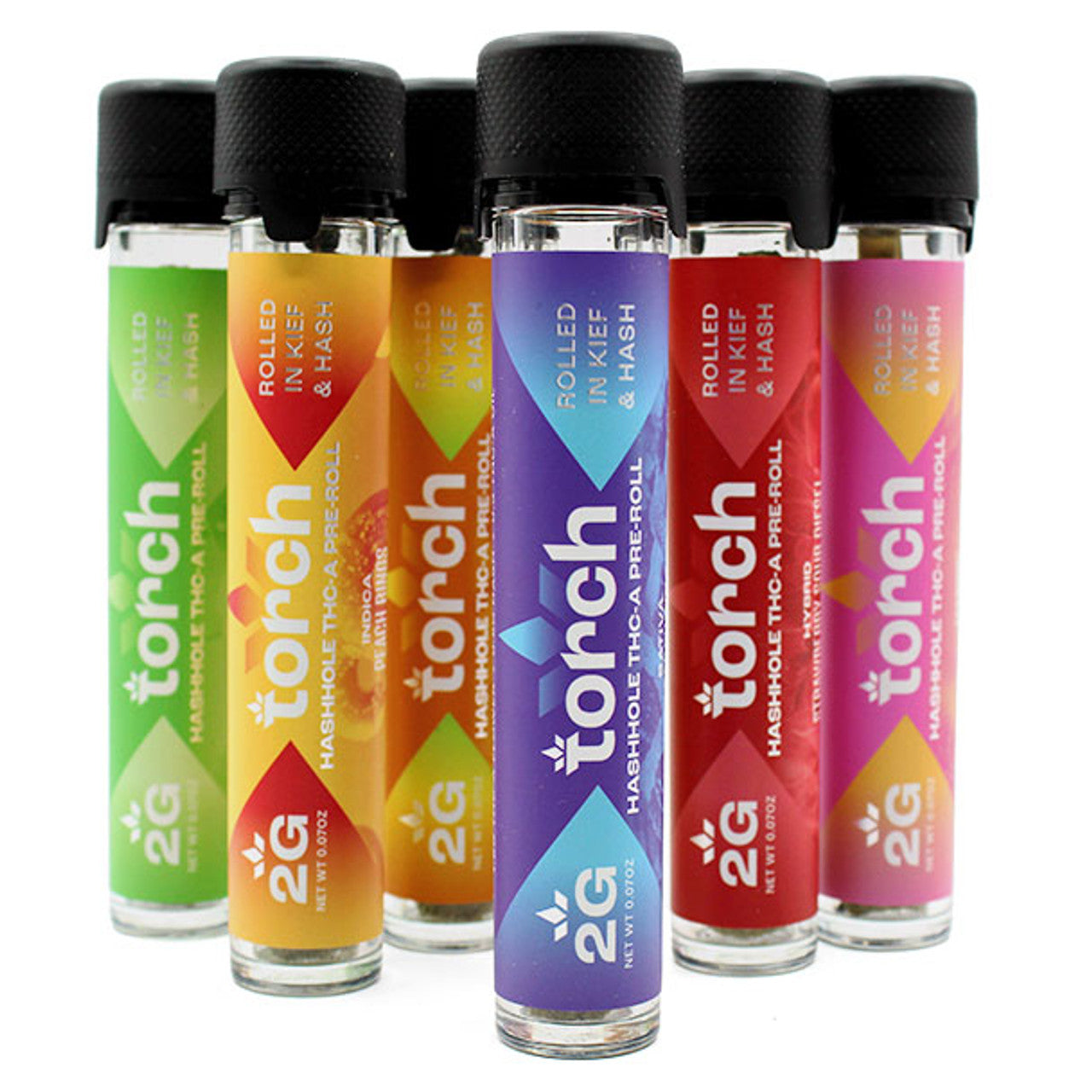
At Torch Hemp, providing clear information about hemp-derived products supports a better understanding of cannabinoid terminology and industry developments.
For general questions about Torch Hemp and its published product information, visit the official website and use the Contact Us page.
Frequently asked questions
What is the difference between a THC preroll and a hemp preroll?
The primary difference involves cannabinoid composition and legal classification. A THC preroll generally contains THC-dominant cannabis while a hemp preroll contains material classified as hemp. Their actual characteristics depend on laboratory results and applicable laws.
Can hemp prerolls contain THC?
Yes. Hemp prerolls may contain detectable THC and other cannabinoids. Their classification depends on the applicable legal framework and verified cannabinoid composition.
Are THC prerolls and hemp prerolls made from the same plant species?
Both originate from Cannabis sativa. Different varieties may produce different cannabinoid profiles. Their legal classifications are based on regulatory definitions rather than appearance alone.
How can cannabinoid differences be verified?
Laboratory analysis can identify and measure cannabinoids in cannabis material. A certificate of analysis provides information about the tested sample. Relevant batch documentation helps establish whether the reported results correspond to a particular product.
Why do THC prerolls and hemp prerolls look similar?
Both categories contain cannabis flower and share similar botanical characteristics. Their coloration and structure may overlap considerably. Appearance cannot reliably establish cannabinoid concentration or legal classification.
Are hemp prerolls always non-intoxicating?
No. The presence of hemp terminology does not guarantee an absence of intoxicating cannabinoids. Actual chemical composition must be considered when evaluating potential impairment.
What does THCA mean in cannabis products?
THCA is a naturally occurring acidic cannabinoid found in cannabis plants. It can convert into THC through decarboxylation. Its presence is relevant to laboratory reporting and certain legal definitions of total THC.
Why is laboratory testing important for hemp products?
Laboratory testing provides information about cannabinoid composition and selected contaminants. It supports more accurate product descriptions and chemical identification. However, the scope of testing determines what conclusions can reasonably be drawn.
Are hemp prerolls legal in every state?
Hemp regulations differ across jurisdictions. Federal classification does not automatically establish legality under every state law. Current state requirements should be reviewed when determining legal status.
How are hemp regulations changing in 2026?
Federal legislation has introduced changes concerning total THC and certain hemp-derived cannabinoid products. Additional congressional action has modified the implementation timeline. These developments reinforce the importance of checking current official regulatory information.