

Hemp Gummies Buying Guide: Potency, Ingredients and Product Quality
Before you buy hemp gummies, understanding potency, ingredients and product quality can help you make informed decisions. Hemp-derived gummies are available in different formulations. However, not every product follows the same manufacturing standards or provides the same level of ingredient transparency.
Hemp gummies may contain CBD, THC or combinations of other cannabinoids. Their composition can influence their effects and safety considerations. Product appearance and flavor alone cannot establish whether a formulation has been accurately labeled or properly tested.
This guide explains how to assess hemp gummy potency, understand ingredient lists and recognize meaningful quality indicators. It also explores regulatory developments affecting hemp products in 2026 and outlines common mistakes consumers should avoid.
What to know before you buy hemp gummies?
Hemp gummies are edible products containing ingredients derived from hemp. Manufacturers combine hemp extracts with sweeteners, flavorings and gelling agents to create different formulations.
Although these products may look similar, their cannabinoid profiles can vary considerably. Understanding these differences is essential because CBD and THC have distinct effects and safety considerations.
Understanding hemp-derived cannabinoids
Cannabinoids are naturally occurring compounds found in cannabis plants. CBD and THC are familiar examples, although other cannabinoids may also appear in hemp formulations.
CBD is generally considered non-intoxicating. However, it can cause unwanted effects and interact with certain medications. THC is intoxicating and can affect concentration, coordination and decision-making.
Some products combine cannabinoids within the same formulation. The presence of multiple cannabinoids does not automatically establish that a product is safer or more effective.
Consumers researching premium THC gummies should examine the actual cannabinoid profile rather than rely on descriptive marketing terms. Independent laboratory findings offer more meaningful information than packaging claims.
Why hemp gummy labels matter?
Product labels should communicate what a gummy contains. Clear labeling allows consumers to compare formulations and recognize ingredients that may require additional consideration.
Important information includes:
-
Identifiable cannabinoids and their stated concentrations.
-
Complete ingredient and allergen disclosures.
-
Manufacturer identification and contact information.
-
Batch identification and testing documentation.
-
Storage recommendations and expiration information.
-
Warnings about intoxication and potential health risks.
Missing or inconsistent information deserves attention. If a manufacturer cannot explain the formulation or provide supporting documentation, consumers have limited ways to evaluate its claims.
How to evaluate hemp gummy potency?
Potency describes the concentration of active cannabinoids in a product. It is an important consideration because differences in cannabinoid content can affect the nature and intensity of a product's effects.
However, higher potency does not automatically indicate better quality. Potency and quality are separate characteristics that require different forms of evaluation.
Understanding cannabinoid concentration
Manufacturers may describe cannabinoid concentration using information about individual gummies and the overall package. Consumers should determine whether the labeling clearly distinguishes these amounts.
Accurate potency information helps explain the product's composition. However, a stated concentration should not be interpreted as a recommendation for consumption.
Independent laboratory testing can help confirm whether cannabinoid content matches the manufacturer's description. Significant differences between advertised and measured content may indicate problems with testing or manufacturing consistency.
The FDA has identified concerns about inaccurate cannabinoid labeling in some products. This makes transparent testing particularly important when evaluating hemp-derived formulations.
Why stronger does not always mean better?
Products with greater cannabinoid concentrations are sometimes presented as superior. However, concentration alone cannot demonstrate purity, manufacturing quality or suitability for an individual.
THC can cause impairment and unwanted psychological or physical effects. The effects of edible THC products may also be delayed and can last longer than consumers expect.
CBD presents different considerations. Although it is not generally intoxicating, it can interact with medications and may cause side effects.
Consumers should avoid interpreting higher cannabinoid concentrations as a measure of product excellence. Reliable labeling and meaningful safety information are more useful indicators.
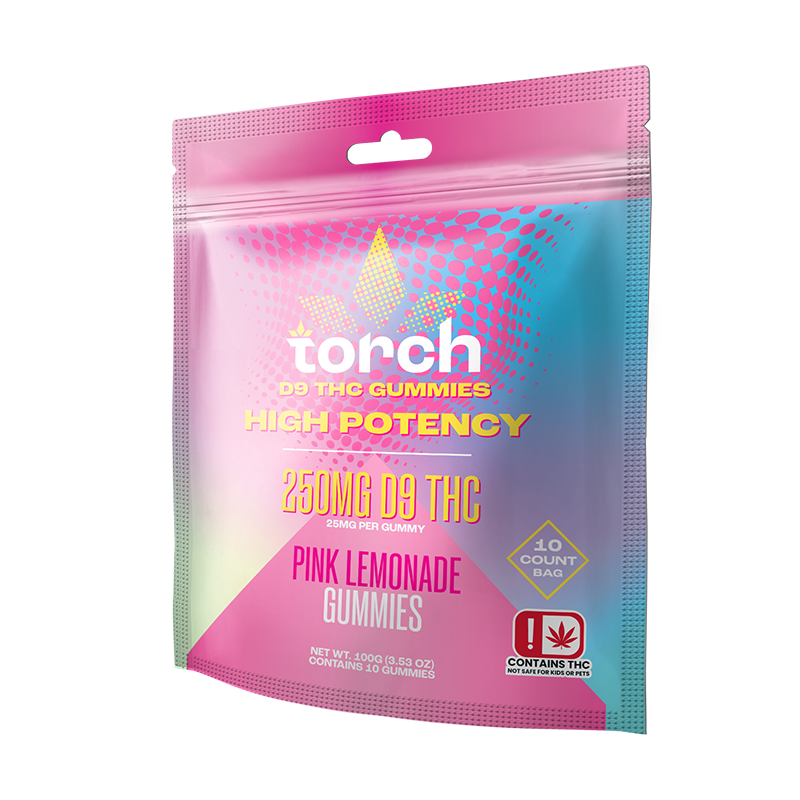
Understanding hemp gummy ingredients
Ingredients influence a gummy's texture, flavor, appearance and dietary suitability. Reviewing the complete ingredient list also helps identify potential allergens and ingredients that consumers may prefer to avoid.
Ingredient transparency is particularly important because hemp gummies combine cannabinoid extracts with conventional food ingredients.
Hemp extracts and supporting ingredients
Manufacturers may use different hemp extracts depending on the formulation. These extracts can contain individual cannabinoids or broader mixtures of naturally occurring plant compounds.
Product descriptions sometimes use terms such as full-spectrum, broad-spectrum and isolate. These labels describe general formulation approaches but do not provide a complete chemical profile.
A full-spectrum extract may contain multiple cannabinoids including THC. Broad-spectrum products are generally intended to contain various cannabinoids while minimizing or removing THC. Isolate refers to a more purified individual compound.
These terms are not substitutes for laboratory verification. Consumers should examine the actual test results to understand which cannabinoids are present.
Gummy formulations also contain supporting ingredients that determine texture and flavor. Common examples include fruit flavorings, sweeteners, pectin and gelatin.
Sweeteners, flavors and dietary preferences
Sweeteners contribute to flavor and texture. Some manufacturers use conventional sugars while others include alternative sweetening ingredients.
Natural flavoring claims should not be interpreted as guarantees of safety or nutritional superiority. Consumers should evaluate the ingredient list rather than assume that natural ingredients are automatically preferable.
Gelling agents are another relevant consideration. Gelatin is generally animal-derived while pectin is plant-derived. These differences matter to consumers following vegetarian or vegan dietary practices.
Other ingredients may include:
-
Fruit concentrates for flavor or color.
-
Citric acid for acidity and flavor balance.
-
Plant-based oils used during formulation.
-
Coloring agents that influence appearance.
-
Preservatives intended to support product stability.
People with food allergies should read ingredient disclosures carefully. If allergen information is incomplete, contacting the manufacturer may help clarify whether the product was made in a facility handling relevant allergens.
How to recognize quality hemp gummies?
Product quality depends on more than taste or appearance. Manufacturing controls, ingredient sourcing, laboratory analysis and accurate documentation all contribute to a meaningful quality assessment.
Consumers researching hemp gummies for sale may encounter products making broad claims about purity or premium ingredients. Such claims should be supported by verifiable evidence.
Third-party laboratory testing
Independent laboratory testing is an important quality indicator. It provides an external assessment of selected product characteristics rather than relying entirely on the manufacturer's statements.
Laboratory documents are commonly known as Certificates of Analysis or COAs. They may report cannabinoid content and results from contaminant testing.
Depending on the testing performed, relevant findings may include:
-
Measured cannabinoid concentrations.
-
Heavy metal screening results.
-
Pesticide residue analysis.
-
Residual solvent testing.
-
Microbial contamination screening.
-
Batch identification and laboratory details.
Not every laboratory report includes every category. Consumers should therefore review the scope of testing rather than assume that a certificate confirms comprehensive product safety.
Certificates should correspond to the actual product and relevant manufacturing batch. A report covering unrelated material does not independently verify the contents of a finished gummy.
Manufacturing and product consistency
Consistent manufacturing helps support reliable product composition. Documented production procedures can reduce variation between manufacturing batches.
Manufacturers should maintain appropriate records covering raw materials, processing and finished-product evaluation. Quality-control systems can also help identify contamination or labeling problems.
However, references to good manufacturing practices should be examined carefully. A manufacturer claiming compliance should be able to explain the standards followed and provide supporting documentation where appropriate.
Packaging also plays a role. Suitable containers and clear storage instructions help protect product integrity. Child-resistant packaging is especially important for products containing intoxicating cannabinoids and may be legally required.
Edible cannabis products should always be kept securely away from children and pets. Their resemblance to ordinary candy creates a particular risk of accidental exposure.
Comparing hemp gummies before purchasing
Comparing products is more useful when the evaluation focuses on verifiable characteristics. Packaging design and promotional descriptions should not outweigh transparent product documentation.
The following table summarizes important factors consumers can review when examining different formulations.
|
Quality factor |
What to examine |
Why it matters |
|---|---|---|
|
Cannabinoid profile |
Identified cannabinoids and reported concentrations |
Clarifies the formulation and potential effects |
|
Ingredient transparency |
Complete ingredient list and allergen disclosures |
Supports informed dietary and safety decisions |
|
Laboratory testing |
Independent reports linked to the relevant batch |
Provides evidence supporting selected quality claims |
|
Manufacturing controls |
Documented processes and quality procedures |
Helps assess consistency and contamination controls |
|
Packaging |
Product identification and appropriate safety features |
Supports storage and reduces accidental exposure risks |
|
Regulatory status |
Applicable federal and state requirements |
Helps identify products that may not be legally marketed |
A practical comparison begins with the complete product description. Consumers should then examine available testing documentation and verify that the reported cannabinoid profile corresponds to the product being considered.
Missing test reports or inconsistent labels are important warning signs. These issues make it difficult to establish whether the product matches its description.
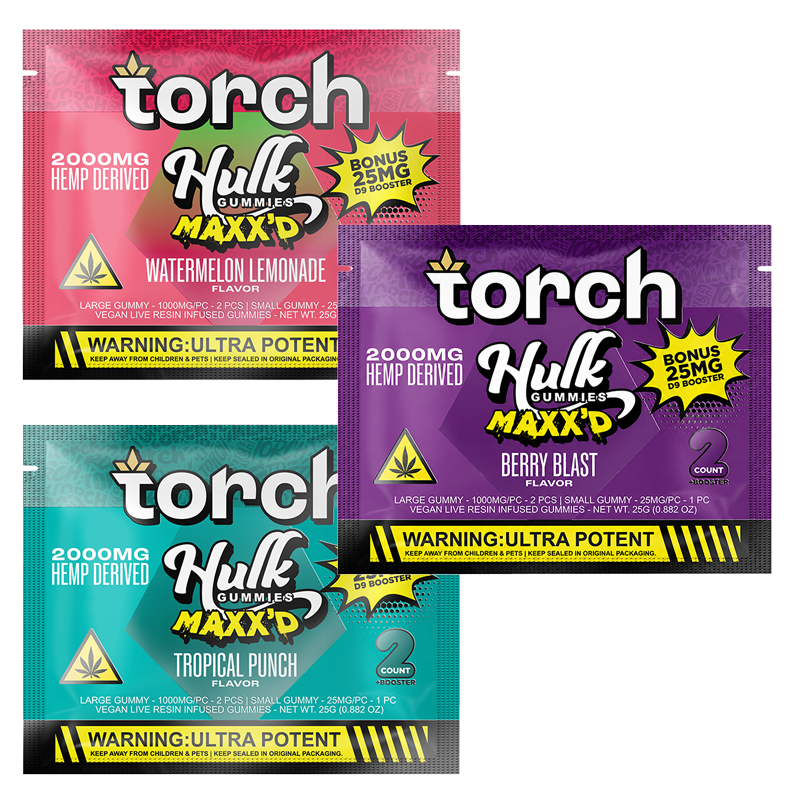
Hemp gummy regulations and buying considerations in 2026
Hemp regulation remains an important issue for manufacturers and consumers. The legal status of hemp-derived products depends on federal requirements as well as relevant state laws.
As of May 2026, the federal hemp framework was approaching a significant change. Legislation enacted in 2025 established a revised federal definition of hemp scheduled to take effect in November 2026.
The revised framework introduces restrictions that affect certain hemp-derived cannabinoid products. These changes make it important to avoid assuming that a product's previous legal classification will continue unchanged.
State laws can impose additional restrictions on cannabinoid content, manufacturing, labeling and retail distribution. A product advertised online may not be lawful to sell or receive in every state.
Federal food and drug rules are also relevant. The FDA maintains that adding CBD to conventional foods marketed in interstate commerce is prohibited under existing federal requirements.
Consumers should not interpret widespread retail availability as proof of regulatory compliance.
Why regulatory transparency matters?
Responsible product evaluation includes checking whether a manufacturer provides relevant legal disclosures. Clear product descriptions should avoid unsupported claims about medical benefits or universal legality.
Regulatory developments also influence how businesses present laboratory documentation and product information. As requirements evolve, manufacturers may need to update formulations, packaging or distribution practices.
Current legal verification is essential. Consumers should check applicable laws and official regulatory guidance rather than rely on outdated product descriptions.
Common mistakes to avoid when choosing hemp gummies
Many purchasing mistakes result from overlooking important product details. Understanding these issues helps consumers assess the information available without relying on assumptions.
Relying only on appearance and flavor
Attractive packaging and appealing flavors do not establish ingredient quality. A product can look professionally manufactured while lacking adequate testing documentation.
Consumers should place greater importance on transparent ingredient information and independent laboratory results.
Assuming hemp products are automatically safe
The term hemp does not mean a product is free from health risks. Cannabinoids can have adverse effects and some formulations may cause intoxication.
CBD may interact with medicines and can affect liver health. THC can impair judgment and coordination. Pregnant or breastfeeding individuals should avoid cannabis-derived products.
Overlooking laboratory report details
A laboratory certificate is useful only when it is relevant and understandable. Reports should identify the tested material and clearly describe the results.
Consumers should also recognize that passing selected laboratory tests does not guarantee that a product is completely safe.
Trusting unsupported health claims
Some products are promoted using claims about treating medical conditions. Such statements require appropriate scientific evidence and regulatory authorization.
The FDA has warned companies about unapproved therapeutic claims involving cannabis-derived products. Consumers should be cautious when a product description suggests guaranteed medical outcomes.
Ignoring storage and household safety
Hemp gummies can resemble ordinary confectionery. This creates potential risks when products are accessible to children or pets.
Products should remain in their original packaging and be stored securely according to manufacturer instructions. Damaged packaging or missing identification information may make safe storage more difficult.
Conclusion
Understanding potency, ingredients and product quality is essential when evaluating hemp gummies. Accurate labeling and independent laboratory testing provide useful information about product composition. Manufacturing transparency and regulatory compliance are equally important considerations.
As the hemp industry continues to evolve, consumers should prioritize verifiable information rather than unsupported quality claims. Reviewing product documentation can help identify uncertainty and support more informed decisions.
Torch Hemp recognizes the importance of clear product information and informed consumer awareness. Understanding cannabinoid profiles, ingredient disclosures and applicable regulations provides a stronger foundation for evaluating hemp-derived products.
Contact Us for general questions about Torch Hemp product information, ingredient disclosures or available documentation, contact the Torch Hemp team through its official website.
Frequently asked questions
What should I check before I buy hemp gummies?
Review the cannabinoid profile, ingredient list and independent laboratory documentation. Check whether the manufacturer provides clear batch information and appropriate safety disclosures. Applicable laws should also be verified before considering a product.
How can I identify good-quality hemp gummies?
Look for transparent ingredient labeling and relevant laboratory reports. Quality-focused manufacturers should provide clear information about their products and manufacturing practices. Marketing claims alone do not establish product quality.
What is the difference between CBD and THC gummies?
CBD and THC are different cannabinoids with distinct effects. CBD is generally non-intoxicating but can cause adverse effects and medication interactions. THC produces intoxicating effects and may impair coordination and judgment.
Are premium THC gummies always higher quality?
No. The word premium is a marketing description rather than a recognized safety certification. Product quality requires evaluation of ingredients, laboratory results and manufacturing controls. Higher cannabinoid concentrations do not automatically indicate better quality.
Why is third-party testing important for hemp gummies?
Independent testing can help assess cannabinoid content and selected contaminants. It may identify differences between reported and measured product characteristics. Consumers should verify that test results correspond to the relevant product batch.
Can hemp gummies contain allergens?
Yes. Hemp gummy formulations may contain ingredients relevant to individuals with food allergies or dietary restrictions. Consumers should review the complete ingredient list and allergen disclosures. Manufacturers may provide additional information about shared production facilities.
Are hemp gummies legal throughout the United States?
Not necessarily. Federal and state requirements differ and may change over time. The federal definition of hemp is also undergoing significant changes in 2026. Consumers should verify current rules in their jurisdiction.
How should hemp gummies be stored?
Follow the manufacturer's storage instructions and keep products in their original labeled packaging. Secure storage is particularly important because gummies can resemble ordinary candy. All cannabinoid products should be kept away from children and pets.
Can hemp gummies interact with medications?
Yes. CBD can affect how certain medications work and may increase the risk of adverse effects. Other cannabinoids may also create safety concerns. Anyone taking prescription medicines should discuss cannabinoid exposure with a qualified healthcare professional.