

Hemp-Derived THC: Risks, Responsible Use and What You Need to Know
Hemp-Derived THC has become a widely discussed topic as hemp products continue to expand across the United States. While interest has grown rapidly, many consumers still have questions about legality, duration, side effects, age limits, and responsible use. Understanding how hemp-derived THC works, and how it differs from other cannabis compounds, is essential for making informed decisions.
This guide provides an in-depth, informational overview of hemp-derived THC. It focuses on potential risks, responsible use, regulatory considerations, and safety factors, without promoting use or making unsupported claims.
Understanding Hemp-Derived THC
Hemp-derived THC refers to tetrahydrocannabinol compounds extracted from hemp plants rather than marijuana. Under federal law in the United States, hemp is defined as cannabis containing no more than 0.3 percent delta-9 THC by dry weight.
Although hemp and marijuana come from the same plant species, Cannabis sativa, they are legally distinct due to THC concentration. Hemp-derived THC products are formulated to comply with federal thresholds while still delivering measurable cannabinoid effects.
It is important to understand that hemp-derived THC is not a single compound. Instead, it includes several THC variants that may occur naturally or be derived from hemp-based cannabinoids.
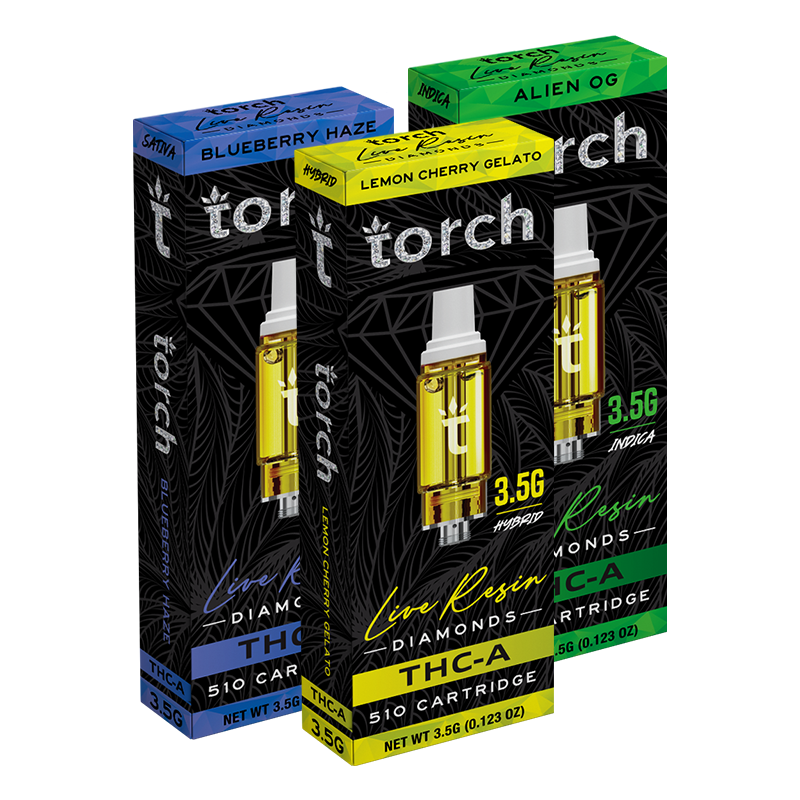
Types of Hemp-Derived THC
Delta-9 THC from Hemp
Delta-9 THC is the most well-known THC compound. When derived from hemp and kept below the 0.3 percent legal threshold by dry weight, delta-9 THC products may be federally compliant. This typically applies to edibles, where total THC content can remain low relative to product weight.
Delta-8 THC
Delta-8 THC is a naturally occurring cannabinoid found in small amounts in hemp. It is commonly produced through conversion processes using CBD extracted from hemp. Delta-8 has been widely discussed due to its milder psychoactive profile compared to delta-9 THC, though it still carries potential risks and side effects.
Delta-10 THC
Delta-10 THC is another variant derived from hemp-based cannabinoids. It is less studied than delta-8 or delta-9 THC, and information about its effects, duration, and safety profile remains limited.
THC-O and Emerging Variants
THC-O acetate and other modified THC compounds have appeared in the hemp market. These compounds are often synthesized through chemical processes and may carry additional safety concerns. Research on their long-term effects is still evolving.
How Hemp-Derived THC Works in the Body?
Hemp-derived THC interacts with the body’s endocannabinoid system, which plays a role in regulating mood, appetite, sleep, and stress response. THC primarily binds to CB1 receptors in the brain and central nervous system.
Absorption Methods
The way hemp-derived THC enters the body affects both onset time and duration.
- Edibles are absorbed through digestion and metabolized by the liver
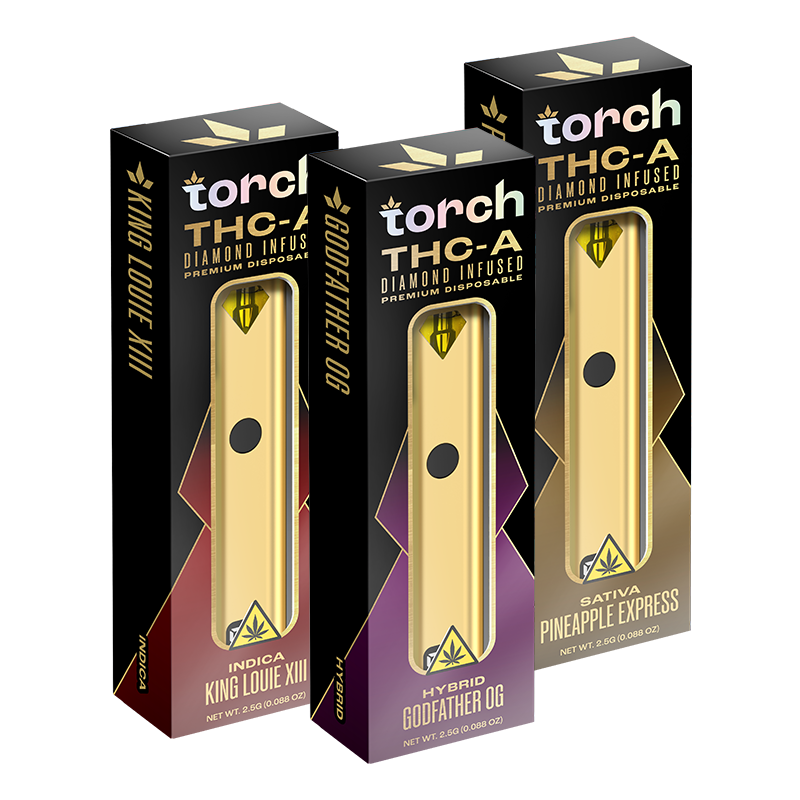
- Vapes are absorbed through the lungs and enter the bloodstream more quickly
- Tinctures may be absorbed sublingually or through digestion
Edibles vs Vapes
Edibles typically produce slower onset effects but longer-lasting experiences. Vapes may act more quickly but wear off sooner. These differences are important when considering responsible use and potential side effects.
How Long Does Hemp THC Last?
One of the most common questions is how long does hemp THC last. The answer varies based on several factors.
Factors That Influence Duration
- Product type and formulation
- Dosage amount
- Individual metabolism
- Frequency of use
- Body composition
Typical Duration by Consumption Method
|
Consumption Method |
Onset Time |
Duration Range |
|
Edibles |
30–90 min |
4–8 hours |
|
Vapes |
5–15 min |
2–4 hours |
|
Tinctures |
15–45 min |
3–6 hours |
These ranges are general estimates and not guarantees. Individual experiences may differ.
Detection Considerations
Hemp-derived THC may be detectable in drug screenings, depending on frequency and sensitivity of the test. Even legally compliant products can lead to positive results.
Side Effects of Hemp Edibles and Vapes
Understanding the side-effects of hemp edibles and vapes is essential for responsible decision-making.
Common Short-Term Side Effects
- Dry mouth
- Drowsiness
- Changes in perception
- Increased heart rate
- Impaired coordination
Less Common Side Effects
- Anxiety or discomfort
- Nausea
- Headaches
Risk Factors
Certain individuals may be more sensitive to THC, including those with low tolerance, underlying health conditions, or interactions with medications.
Responsible Use of Hemp-Derived THC
Hemp-derived THC responsible use focuses on awareness, moderation, and personal safety. Being mindful of how and when you consume these products helps reduce risks and ensures a positive experience. Understanding your own tolerance and the potency of products is key to maintaining control over effects.
Dosage Awareness
Products vary widely in potency. Understanding serving sizes and cannabinoid content is critical to avoid unintended effects such as excessive sedation, dizziness, or anxiety. Beginners should start with the lowest recommended dose and gradually adjust based on how their body responds. Keeping a consumption journal can also help track dosage, timing, and effects for safer use.
Timing and Environment
Using hemp-derived THC in unfamiliar or demanding situations may increase risk. Effects can impair judgment, coordination, and reaction time. Choosing a calm, safe environment and allowing sufficient time for the effects to take hold can improve the experience and minimize potential negative outcomes. Planning your consumption around low-stress activities ensures both safety and comfort.
Avoiding Misuse
Responsible use includes avoiding activities such as driving or operating machinery while under the influence of THC. Misuse can also occur when combining THC with alcohol or other substances, which can amplify effects unexpectedly. Following recommended guidelines and being aware of your limits supports long-term responsible consumption.
Age Limits for Hemp-Derived THC
Age limits for hemp-derived THC products vary by state and retailer policy. While federal law does not specify a universal age requirement, many states restrict sales to adults aged 21 and older.
Age limits exist to protect developing brains and reduce potential harm. Consumers are responsible for understanding and following applicable age requirements in their jurisdiction.
State by State Legality of Hemp-Derived THC
State by state legality of hemp-derived THC is complex and constantly evolving. Some states allow certain THC variants, while others restrict or ban them entirely.
Why Laws Vary?
- Differences in state cannabis regulations
- Public health concerns
- Enforcement interpretations
Staying Informed
Consumers should regularly review state regulations and official guidance to ensure compliance with local laws.
Torch Age Verification Policy
Torch maintains an age verification policy designed to comply with applicable laws and industry standards. Age verification helps ensure that hemp-derived THC products are only accessible to eligible adults.
This policy reflects a broader effort within the hemp industry to promote responsible access and regulatory compliance.
Quality, Safety and Label Transparency
Safety considerations extend beyond legality. Ensuring that hemp-derived THC products meet high standards for quality and safety is essential for protecting consumers and promoting responsible use.
Third-Party Lab Testing
Independent laboratory testing helps verify cannabinoid content and identify potential contaminants such as pesticides, heavy metals, or residual solvents. These tests provide assurance that products are accurately labeled and safe for consumption. Lab results also allow consumers to compare products and make informed choices based on verified data rather than marketing claims.
Ingredient Transparency
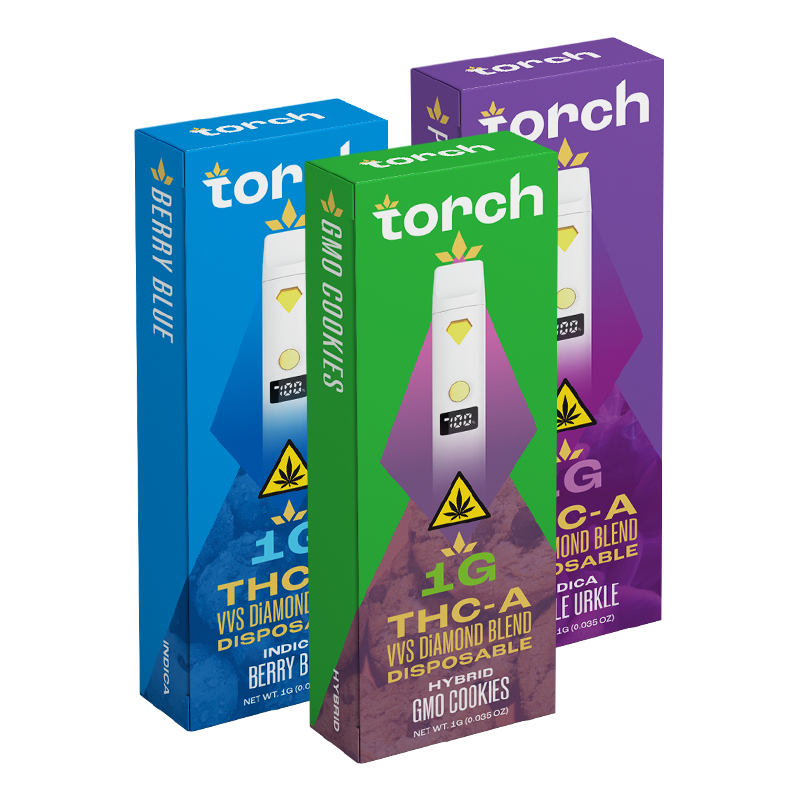
Clear labeling allows consumers to understand exactly what they are purchasing and consuming. This includes the type and amount of cannabinoids, presence of terpenes, and any additional ingredients like flavorings or preservatives. Transparency empowers users to manage their dosage, avoid allergens, and select products that align with their wellness goals.
Packaging Standards
Secure, informative packaging supports safe storage and responsible handling. Packaging that includes child-resistant features, clear usage instructions, and storage recommendations helps prevent accidental ingestion, especially in households with children or pets. Well-designed packaging also preserves product quality by protecting contents from light, heat, and moisture.
For more insights on how hemp-derived THC products can support relaxation, check out our detailed guide on how Torch gummies work for relaxation and wellness.
Conclusion
Hemp-Derived THC exists at the intersection of evolving regulations, consumer interest, and public health considerations. Understanding risks, responsible use, age limits, and state-specific laws is essential for anyone researching these products.
Torch Hemp provides educational resources and maintains compliance-focused policies, including age verification, to support informed awareness rather than promotion.For additional information or general inquiries, contact us .
Frequently Asked Questions
Q1: Is hemp-derived THC the same as marijuana THC
Hemp-derived THC and marijuana-derived THC are chemically similar, but they differ in source, concentration, and legal classification.
Q2: Can hemp-derived THC cause side effects
Yes. Side effects may occur depending on dosage, sensitivity, and method of consumption.
Q3: How long does hemp THC last in the body
Duration varies, but effects may last several hours, with detection potentially lasting longer.
Q4: Are hemp-derived THC products legal everywhere
No. State laws differ, and legality depends on location and product type.
Q5: Are there age limits for hemp-derived THC
Many states and retailers restrict sales to adults 21 and older.