

Delta 9 vs THCA (2026): What’s Actually Stronger and Why It Matters
Delta 9 vs THCA is one of the most misunderstood “strength” debates in hemp and cannabis because people are often comparing a finished psychoactive cannabinoid (Delta 9 THC) to a precursor (THCA) that becomes Delta 9 only after heat. That matters in 2026 more than ever: hemp-derived Delta 9 edibles are mainstream, while THCA flower has exploded in availability and legal controversy. Depending on how you use it (smoke, vape, bake, or eat), THCA can feel non-intoxicating or hit like traditional THC. In this guide, you’ll learn what’s actually stronger, why “lab potency” can be misleading, how conversion and dosage work, and how to shop smarter without getting blindsided by legality differences or product quality issues.
What Delta 9 and THCA actually are (and why the “stronger” question is tricky)
Delta 9 THC (Δ9-THC) is the primary intoxicating cannabinoid most people mean when they say “THC.” It binds effectively to CB1 receptors, producing classic psychoactive effects like euphoria, altered perception, and increased appetite.
THCA (tetrahydrocannabinolic acid) is the acidic precursor found in raw cannabis/hemp. On its own, THCA is generally notintoxicating because it doesn’t bind to CB1 the same way. But when heated, THCA decarboxylates (loses a carboxyl group) and becomes Delta 9 THC changing the effects dramatically.
Decarboxylation: the “hidden” variable behind potency differences
When you smoke or vape THCA flower, you’re applying enough heat to convert a meaningful portion of THCA into Delta 9 THC. When you eat raw THCA (like in some tinctures or “raw” products), you may feel little to no intoxication because the conversion didn’t happen.
Why this matters: two products can show similar “total THC” potential on a COA (certificate of analysis), yet feel wildly different based on how they’re used, how efficiently they convert, and how much is actually inhaled or absorbed.
Quick definition: “total THC” vs “Delta 9 THC” on labs
Most labs estimate “total THC” using a calculation that includes THCA potential (because THCA can convert to Delta 9). That’s useful but it’s not the same as already-activeDelta 9 THC in the product.
A common formula is: Total THC ≈ Δ9-THC + (THCA × 0.877)(factor accounts for mass lost during decarb). If a label is only shouting “high THCA,” it may be implying strength that depends on heat and use case.
Delta 9 vs THCA: what’s actually stronger in real life?
If we’re talking molecule-to-molecule psychoactive intensity, Delta 9 THC is the “stronger” compound because it’s already active. THCA is best thought of as potential energy—it can become Delta 9 with heat, but it isn’t reliably intoxicating in raw form.
If we’re talking about consumer experience, THCA flower can feel just as strong as Delta 9 cannabis flower once combusted or vaped because you’re effectively consuming Delta 9 created in the moment.
Inhalation: THCA flower can match traditional Delta 9 strength
In the real world, the “strength” of THCA flower depends on:
Some users report that high-THCA flower feels indistinguishable from dispensary THC flower. This aligns with cannabis science: when you heat THCA efficiently, you’re generating Delta 9 THC at meaningful levels.
Edibles: Delta 9 usually wins on predictability
Edibles require cannabinoids to survive digestion and then metabolize. Delta 9 edibles are formulated to deliver a known milligram dose (e.g., 5–10 mg per serving). THCA edibles are trickier: unless THCA is decarbed during manufacturing, it may not produce classic THC intoxication.
Practical takeaway: If you want consistent psychoactive effects in an edible format, hemp-derived Delta 9 is typically more predictable than “raw THCA” products.
“Strongest” isn’t only THC percentage
High potency does not automatically mean “stronger experience.” A product with slightly lower THC but richer terpenes (like myrcene, limonene, caryophyllene) can feel more intense, more sedating, or more heady depending on the profile and the person.

THC comparison: potency differences by format (flower, vape, edibles, tinctures)
To make the thc comparison practical, you have to compare product formats—not just cannabinoids. The same person can feel “wrecked” by 10 mg Delta 9 edible but feel only mildly affected after a few puffs of flower, because absorption pathways are different.
|
Format |
Delta 9 THC: typical effect reliability |
THCA: typical effect reliability |
What “stronger” usually means |
|---|---|---|---|
|
Flower (smoked) |
High (already active) |
High if heated(decarb happens during combustion) |
Often similar when THCA % is high and smoke is inhaled |
|
Vape (oil/cart) |
High (dose-controlled pulls) |
Medium–High (depends on formulation and device temp) |
Delta 9 tends to be more consistent across devices |
|
Edibles |
High (labeled mg dose; metabolized to 11-OH-THC) |
Low–Medium (unless decarbed during production) |
Delta 9 usually hits stronger and longer per mg |
|
Tinctures (sublingual) |
Medium–High (depends on hold time, formulation) |
Low–Medium (raw THCA less intoxicating) |
Delta 9 typically provides clearer psychoactive effects |
What the science (and COAs) really say about thca effects and psychoactive cannabinoids?
In cannabis science, THCA is widely recognized as non-intoxicating until decarboxylated. That doesn’t mean THCA is “inactive” research interest continues around THCA’s potential anti-inflammatory and neuroprotective properties but those are separate from feeling high.
COA reading: avoid getting misled by “total THC” marketing
Brands may advertise “30% THCA” as if it’s automatically “30% THC.” In practice, conversion is not perfect, and user intake varies.
Evidence snapshots (2023–2026 signals)
Here are a few data points that shape how brands and shoppers are thinking in 2026:
Note: Specific potency and sales figures vary significantly by state and methodology; use these sources as directional benchmarks and always confirm with your product’s COA.
Legality differences in 2026: hemp derived delta 9 vs THCA and the compliance reality
The legality differences are the reason this debate won’t die. Under the 2018 Farm Bill framework, “hemp” is federally defined as cannabis with ≤0.3% Delta 9 THC on a dry-weight basis. That created a path for hemp derived delta 9 edibles (where total product weight is high, making the Delta 9 percentage low even if mg per serving is meaningful).
THCA occupies a messier space. Some products can be hemp-compliant on Delta 9 % yet high in THCA, which can convert to Delta 9 when smoked. Many regulators view this as a loophole inconsistent with the intent of hemp laws.
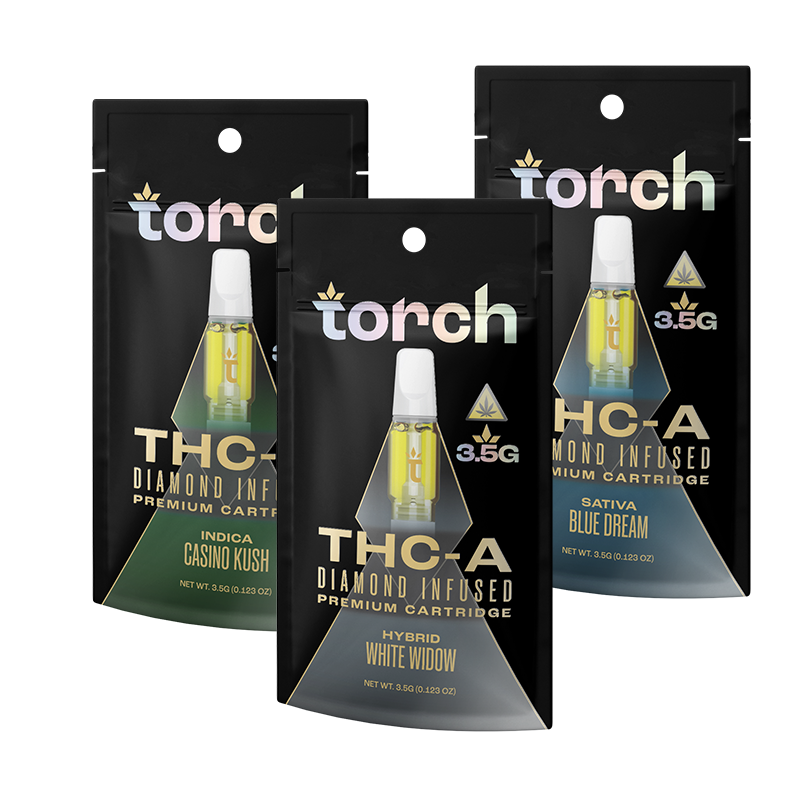
What “stronger” means for your goals: choosing based on outcomes, not hype?
People ask which is stronger, but they usually mean: “Which one will feel the way I want, with the least risk of overdoing it?” Your best choice depends on your desired onset time, duration, discretion, and tolerance.
If you want fast onset and easier titration
Inhalation (THCA flower or Delta 9 vape) typically kicks in within minutes, making it easier to stop when you’re where you want to be. It also tends to fade faster than edibles, which some users prefer for social settings.
If you want longer duration (and don’t mind waiting)
Delta 9 edibles often last 4–8+ hours depending on dose, metabolism, and food intake. They can feel “stronger” than inhaled THC because of 11-hydroxy-THC formation.
If you want minimal intoxication
Raw THCA products (not decarbed) may fit people looking to avoid a traditional high, though effects are not the same as CBD and data is still evolving. If your goal is non-intoxicating support, consider CBD or balanced formulas and confirm cannabinoid content via COA.
Common mistakes to avoid (and pro tips that actually work)
Mistake 1: equating THCA percentage with guaranteed psychoactive strength
THCA is “potential THC.” If your use method doesn’t apply heat effectively, you may not get the experience you expect. Pro tip: match the product to the route—THCA flower for inhalation, Delta 9 for measured edibles.
Mistake 2: ignoring serving size math on hemp-derived Delta 9
Hemp-derived Delta 9 gummies can be compliant by percentage while still delivering 5–10 mg per gummy. Pro tip: shop by mg Delta 9 per serving and verify total mg per package to avoid accidental high doses.
Mistake 3: not accounting for tolerance, food, and timing
Eating a fatty meal can increase cannabinoid absorption; taking an edible late can disrupt sleep. Pro tip: take edibles earlier than you think (often 2–3 hours before bed) and keep notes on dose, timing, and results for two weeks.
Mistake 4: buying without safety testing especially for vapes
For psychoactive cannabinoids, contaminants matter as much as potency. Pro tip: require full-panel testing (potency, solvents, heavy metals, pesticides, microbials) and avoid products without accessible batch-specific COAs.
Mistake 5: assuming “legal” equals “risk-free” for work/drug tests
Both Delta 9 and THCA products can lead to THC metabolite positives. Pro tip: if testing is a concern, avoid intoxicating cannabinoids entirely and consider broad-spectrum options still not a guarantee.
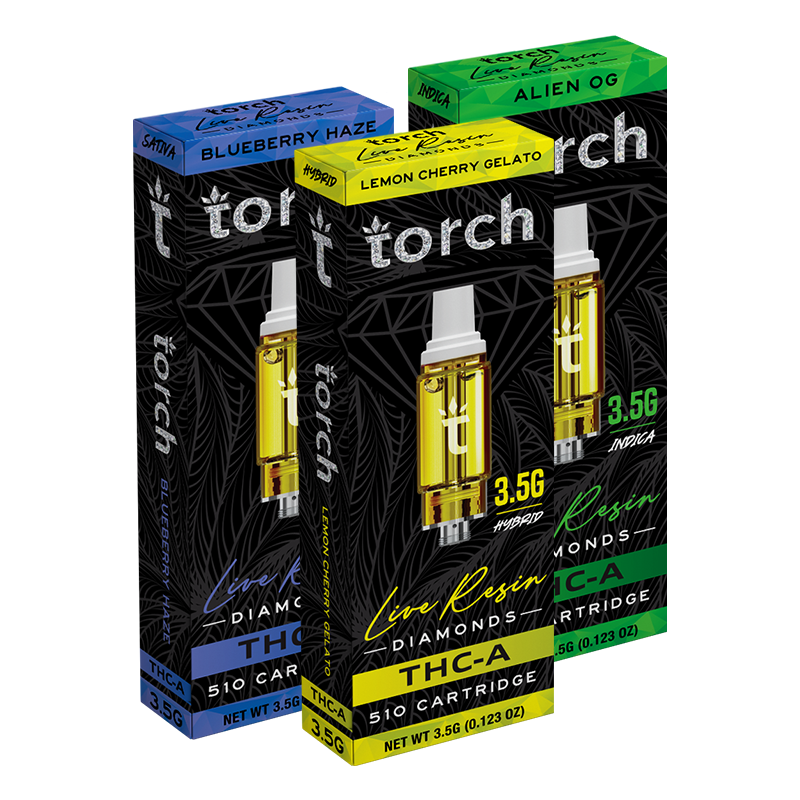
2026 market trends: where Delta 9 vs THCA is heading next
In 2026, the market is splitting into two lanes: regulated cannabis with clear THC frameworks, and intoxicating hemp that’s increasingly regulated at the state level. That means shoppers should expect more variability by geography and more “proof” requirements online.
Trend 1: “Total THC” rules are spreading
States that once cared only about Delta 9 percentage are increasingly looking at total THC (including THCA) to close the gap between “hemp on paper” and “THC in practice.” This is pushing brands toward better labeling, more conservative formulations, and tighter COA transparency.
Trend 2: better product education is becoming a conversion lever
As ad platforms and SEO get stricter for cannabis-related terms, brands that win are the ones building trust with education: dosage calculators, COA explainers, and clear “what to expect” guides. In 2025–2026, Google’s ongoing emphasis on helpful contentand demonstrated experience/expertise has made thin affiliate-style cannabinoid content less competitive.
Trend 3: minor cannabinoids are being reformulated around compliance
After heavy scrutiny on certain synthetic or heavily converted cannabinoids in the mid-2020s, many reputable operators are leaning back into naturally derived profiles, conservative claims, and documentation-first e-commerce operations.
Conclusion
If you want help choosing the right experience fast-onset flower, dialed-in gummies, or something in between shop with brands that treat cannabis science and compliance like the baseline, not the bonus.
Next step: Explore Torch Hemp’s lab-tested, clearly labeled hemp-derived options and use the dosing guidance above to start low and stay in control.
Contact us if you have questions about delta 9 vs thca, COAs, or finding the right potency for your tolerance, reach out to Torch Hemp via our website contact form or customer support page for personalized product guidance.
Frequently asked questions
What is the main difference in delta 9 vs thca?
Delta 9 THC is already psychoactive, while THCA is a non-intoxicating precursor that can convert into Delta 9 THC when heated. That’s why THCA flower can feel very strong when smoked, but THCA in raw products may feel much milder.
Is THCA stronger than Delta 9?
THCA itself is not “stronger” in psychoactive effect because it isn’t reliably intoxicating until it decarboxylates. When heated efficiently (smoking/vaping), high-THCA flower can produce Delta 9 THC levels that feel comparable to traditional THC flower.
Do THCA effects feel the same as Delta 9 THC?
When THCA is heated and converts to Delta 9 THC, the effects can feel very similar. Differences usually come from dose, terpene profile, and how much actually converts and gets absorbed.
What’s the best thc comparison metric on a COA?
Look at Delta 9 THC, THCA, and the lab’s “total THC” calculation, plus the batch date and lot number. For edibles, mg per serving is more useful than percentage; for flower, total THC and terpene profile help predict intensity.
Are hemp derived delta 9 gummies really legal?
Federally, hemp is defined by ≤0.3% Delta 9 THC by dry weight, which can allow meaningful mg doses in heavier products like gummies. However, many states restrict intoxicating hemp products regardless of federal definitions, so legality depends on where you live.
Is THCA legal in 2026?
It depends on your state and how the product is regulated (Delta 9-only vs total THC frameworks). Some states treat THCA as effectively THC for enforcement, especially for smokable flower, while others still regulate primarily by Delta 9 percentage.
Will Delta 9 or THCA show up on a drug test?
Yes,both can lead to a positive test for THC metabolites, especially with repeated use. Even products marketed as “hemp” can trigger positives, and no detox method is fully reliable.
How do I dose Delta 9 vs THCA safely?
For Delta 9 edibles, start at 1–2.5 mg and wait 2–3 hours before increasing. For THCA flower, start with 1–2 small puffs and wait 10–15 minutes; effects can build quickly with additional inhalation.
Why do Delta 9 edibles sometimes feel stronger than smoking?
Oral Delta 9 is metabolized into 11-hydroxy-THC, which many users experience as more intense and longer lasting. Onset is slower, so people sometimes redose too early and end up feeling “too high.”
Should I choose THCA flower or Delta 9 edibles for my first time?
Many first-timers do better with very low-dose Delta 9 edibles (1–2.5 mg) because dosing is measurable, but they must be patient with onset. If choosing THCA flower, take very small puffs and pause because inhalation hits fast and can escalate quickly.