

Delta 9 THC Cart vs Hemp Carts: What’s the Difference?
Delta 9 THC carts hopping in 2026 feels simple until you realize “hemp carts” can mean wildly different formulas, legal statuses, and effects. One cart might be hemp-derived Delta-9 compliant under the Farm Bill, another might be CBD-only, and another might be a cannabinoid blend built for a specific vibe (sleep, calm, focus). Meanwhile, state rules, payment processors, and lab-testing expectations have tightened, and consumers are demanding more transparency than ever.
In this guide, you’ll learn how Delta-9 THC carts differ from hemp carts in effects, potency, ingredients, legality, safety testing, and hardware plus how to pick the right option for your tolerance, lifestyle, and risk comfort. We’ll also cover 2026 trends that are changing how brands formulate and label carts THC products.
What these carts actually are (the definitions people mix up)?
Most confusion comes from the word hemp. Hemp is a legal definition (≤0.3% Delta-9 THC by dry weight under the 2018 Farm Bill in the U.S.), not a guarantee of “non-intoxicating.” In 2026, many “hemp carts” contain intoxicating cannabinoids especially hemp-derived Delta-9, Delta-8, or THC blends depending on state law and brand positioning.
What is a Delta-9 THC cart?
A Delta-9 THC cart is a prefilled vape cartridge formulated with Delta-9 tetrahydrocannabinol as the primary intoxicating cannabinoid. Delta-9 can be sourced from marijuana (adult-use/medical supply chain) or derived from hemp (typically via conversion from CBD) depending on state regulations and brand compliance strategy.
In practice, when consumers say “ delta 9 thc carts,” they usually mean psychoactive carts with noticeable euphoria and impairment potential.
Effects and potency: the real-world experience differences
From a user-experience perspective, the biggest difference between a Delta-9 THC cart and many hemp carts is impairment intensity and how consistently the label predicts the feeling. Delta-9 tends to be more predictable across products than the newer cannabinoid blends—though formulation quality still varies.
Delta-9: faster, stronger, and more impairment risk
Inhaled Delta-9 typically kicks in quickly (often within minutes) and can feel more “head-forward” depending on terpenes and dose. Because cartridges can deliver concentrated cannabinoids, it’s easy to overshoot your ideal dose—especially with high-potency oils.
Hemp carts: a spectrum from “functional” to “fully lifted”
CBD/CBG-forward hemp carts may feel subtle more body calm than euphoria. Hemp-derived Delta-9 carts can feel very similar to dispensary Delta-9 if the dose is similar. Blends using Delta-8 or other cannabinoids may feel “softer” or longer-lasting for some users, but user reports vary and research is still catching up.
Practical dosing guidance (quick-start)
Important: Impairment can affect driving and work. Treat any cart THC product as potentially impairing unless the cannabinoid panel clearly shows non-intoxicating cannabinoids only.
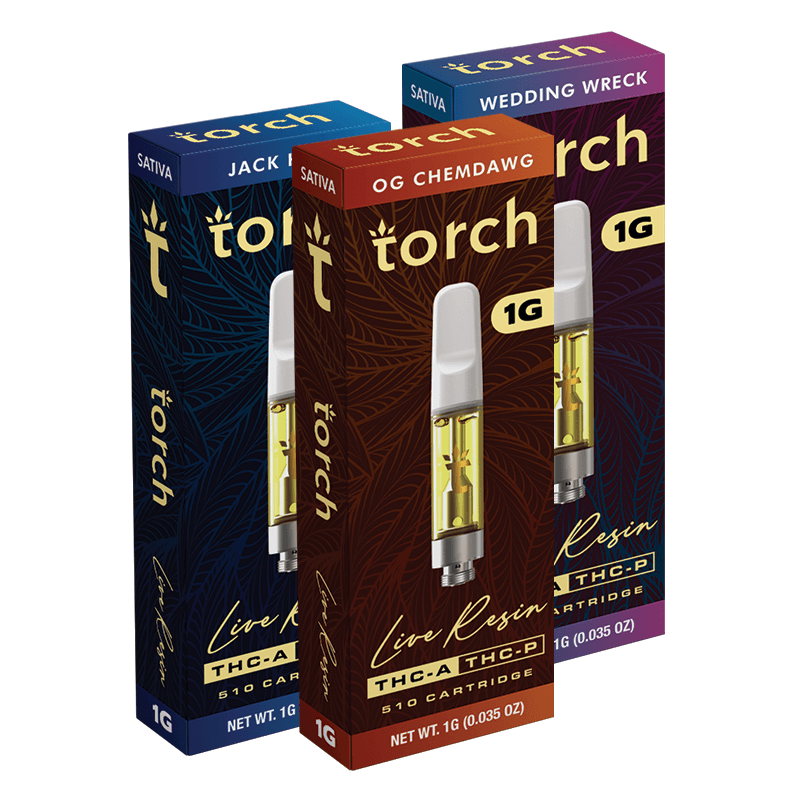
Ingredients and formulation: why two “carts THC” can feel totally different
In 2026, the best brands formulate for stability, flavor integrity, and predictable effects. The worst ones chase potency and use sloppy inputs. Ingredient transparency is your safety lever.
Terpenes: cannabis-derived vs botanical
Terpenes shape aroma and perceived effects. Cannabis-derived terpenes usually taste more “true-to-plant,” while botanical terpenes can be louder and cheaper. Neither is automatically unsafe, but high terpene loads can feel harsh—especially if the cart runs hot.
Red-flag additives (what to avoid)
Best practice in 2026: choose brands that publish full panel labs and avoid mystery ingredients. If a brand can’t explain what’s in the oil, don’t inhale it.
Legality in 2026: where the biggest changes are happening
Legality is the most moving target. As of May 2026, enforcement and policy debates continue around hemp-derived intoxicating cannabinoids, with more states tightening rules on “synthetic conversion,” potency caps, and age-gating. This affects not only what you can buy, but also how brands label and ship products.
Hemp-derived Delta-9 vs marijuana-derived Delta-9
Hemp-derived Delta-9 products often rely on the Farm Bill’s ≤0.3% Delta-9 THC by dry weight threshold. That’s why you’ll see gummies and sometimes carts designed around compliance math. Marijuana-derived Delta-9 is generally sold through state-licensed dispensaries in adult-use/medical frameworks.
State restrictions and shipping reality
Even if something is “federally compliant,” states can restrict manufacturing, sale, or shipment. In 2026, many e-commerce brands use:
Consumer demand for compliant transparency is rising
Trust is now a conversion metric. In a 2025 survey, 81%of U.S. adults said they want clearer labeling and stronger safety standards for hemp-derived cannabinoids (Pew Research Center, 2025). Brands that over-document (COAs, sourcing, ingredient disclosures) increasingly outperform brands that “just sell potency.”
Safety, lab testing, and hardware: what matters most for your lungs
Inhalation is unforgiving. You don’t get many second chances with poor-quality hardware or contaminated oil. In 2026, reputable brands treat lab testing and cartridge components as non-negotiable because regulators, platforms, and consumers are less tolerant of shortcuts.
What a complete COA should include?
Potency alone isn’t safety. In 2023–2024 audits of hemp product categories, contamination concerns (particularly heavy metals and pesticides) remained a recurring theme—especially among products with weak supply-chain traceability (U.S. GAO, 2023; FDA public communications, ongoing).
Hardware considerations (ceramic, coils, and metal leaching)
Cartridge quality affects both flavor and risk. Better carts use reputable component suppliers, consistent coil resistance, and tighter QC to reduce burning and leaks. Studies on cannabis vape aerosols have found that device temperature and metal components can influence exposure to potentially harmful compounds (Frontiers in Chemistry, 2021).
Actionable rule: if your cart THC tastes burnt quickly, produces harsh vapor, or leaks repeatedly, stop using it and reassess the brand and battery settings.
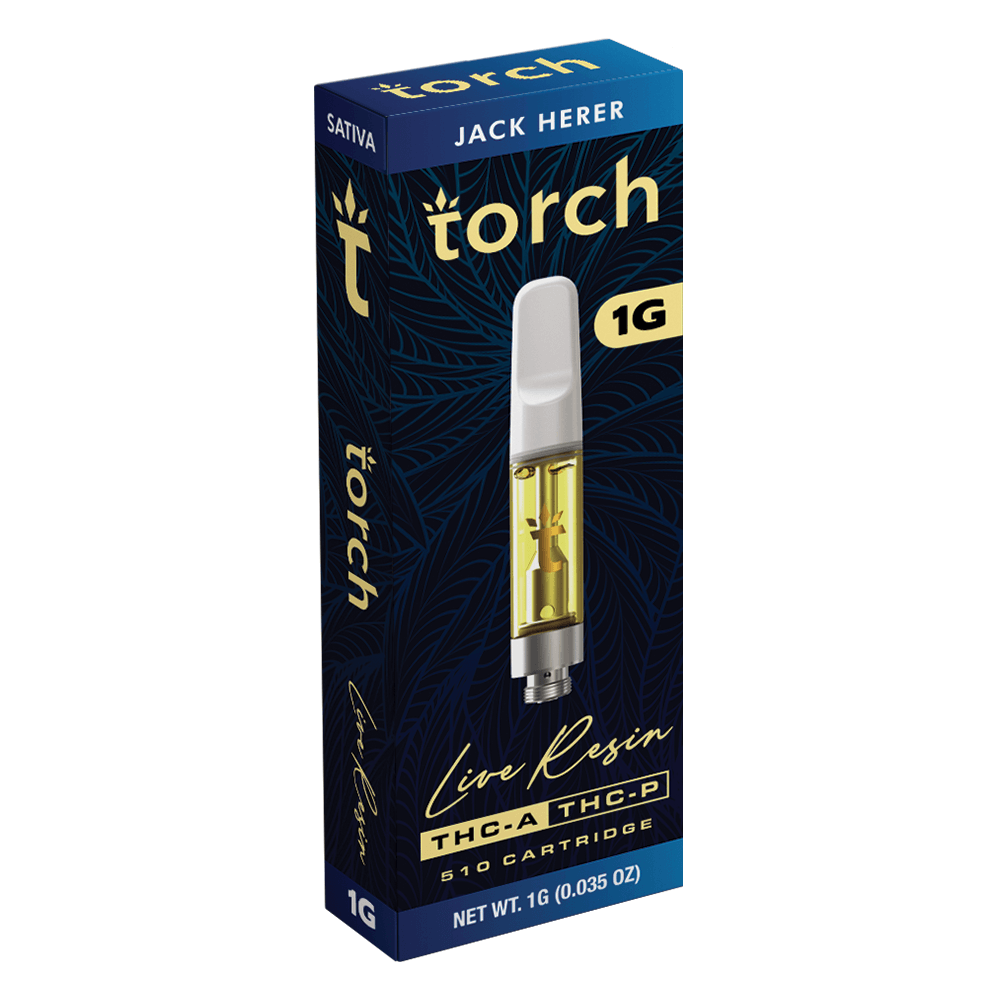
Delta 9 THC carts vs hemp carts: comparison table (2026)
|
Factor |
Delta-9 THC cart |
Hemp carts (category) |
What to check before buying |
|---|---|---|---|
|
Typical effect |
Noticeable euphoria; higher impairment risk |
Ranges from non-intoxicating (CBD) to intoxicating (hemp-derived THC blends) |
Full cannabinoid panel + serving size |
|
Potency consistency |
Often more standardized in regulated markets |
Varies widely by brand and state rules |
COA matches batch/lot on packaging |
|
Legal pathway |
Dispensary frameworks (adult-use/medical) in many states |
Farm Bill positioning + state-by-state restrictions |
Shipping policy + state legality + age gate |
|
Common oil types |
Distillate, live resin, live rosin |
CBD/broad-spectrum, distillate blends, minor cannabinoids |
Additive-free claims + terpene source |
|
Risk factors |
Overconsumption, poor hardware, unknown additives (illicit market) |
Inconsistent labeling, conversion byproducts, weak testing (bad actors) |
Full-panel labs + reputable hardware + transparent ingredients |
What’s changing in 2026: trends shaping Delta-9 and hemp vape carts
May 2026 is a very different environment than even 2023. The category is maturing fast, and “trust infrastructure” is becoming a competitive advantage.
Trend 1: stronger state enforcement and retail gatekeeping
More states are tightening rules around intoxicating hemp cannabinoids, including registration requirements, potency caps, and stricter age verification. Retailers and online platforms are also becoming more cautious due to liability and chargeback risk—pushing brands toward clearer compliance documentation and conservative shipping maps.
Trend 2: consumers are demanding proof, not vibes
In 2024, legal U.S. cannabis sales were estimated at $29.1B, with continued growth expected as more states mature (Leafly, 2024). As mainstream adoption grows, the average buyer is less tolerant of mystery oil and more likely to choose brands that publish testing, sourcing, and ingredient standards up front.
Trend 3: formulation is shifting toward “effect design”
Instead of “one cart fits all,” 2026 formulations increasingly target outcomes (sleep, social, focus) using minor cannabinoids and curated terpene profiles. This is also a response to consumers who want a more functional, controllable experience than ultra-high-THC products.
Trend 4: higher expectations for contaminant testing
Laboratory testing is becoming a baseline expectation, not a premium feature especially as consumer safety concerns persist. In a 2023 national survey, about 30% of U.S. adults reported using CBD at some point (NCCIH/NIH, 2023), which has helped normalize the idea that hemp products should meet consistent safety standards similar to other wellness categories.

Conclusion
In 2026, the real difference between a Delta-9 THC cart and “hemp carts” isn’t just the word on the box it’s the cannabinoid formula, documentation, and quality controls behind it. If you treat carts like a lab-verified product category (not a convenience-store impulse buy), you’ll get a better experience and reduce avoidable risk.
If you want help choosing a product that matches your vibe calm, lifted, or somewhere in between explore Torch Hemp’s lab-tested options and educational resources. Contact us anytime with questions about ingredients, COAs, or picking the right cart for your tolerance and goals.
Frequently asked questions
What is a delta 9 THC cart exactly?
A delta 9 THC cart is a vape cartridge filled with oil where Delta-9 THC is the primary active cannabinoid. Delta-9 can be sourced from marijuana (dispensary supply chain) or derived from hemp depending on state rules. The effect is typically intoxicating, with a higher likelihood of impairment than CBD-forward products.
Are delta 9 thc carts stronger than hemp carts?
Often, yes but not always. Many hemp carts are CBD-dominant and feel milder, but hemp-derived Delta-9 or THC blends can be just as strong as dispensary carts if the dose is comparable. The only reliable way to compare is the cannabinoid panel (mg and %) plus the COA.
Do hemp carts get you high?
Some do and some don’t. CBD/CBG/CBN carts are usually non-intoxicating for most people, while hemp-derived THC carts (including Delta-9 in some markets) can be intoxicating. If the label lists meaningful THC content, assume it can impair you.
How can I tell if a cart THC product is legit?
Look for a QR code that links to a full-panel COA matching the product’s batch/lot number, plus clear ingredient disclosure and contact information. Avoid products with vague terms like “proprietary blend” without numbers. Also verify the brand’s shipping/age-verification policies legit operators tend to be strict.
What’s the safest voltage for a cart?
Most users get smoother hits at lower voltages, often around 2.2–2.8V depending on oil thickness and hardware. Higher voltage can burn terpenes and taste harsh, which may irritate your throat. If your oil is thick, use a brief preheat instead of cranking voltage.
Can delta thc carts show up on a drug test?
Yes. Delta-9 THC and many other intoxicating cannabinoids can metabolize into compounds drug tests may detect. Even some “hemp” products can contain enough THC to trigger positives depending on dose and frequency. If testing is a concern, choose THC-free options with third-party lab verification.
Should I choose live resin/rosin or distillate?
Live resin/rosin products often preserve more of the plant’s aromatic compounds and can feel more “full-spectrum,” but they usually cost more. Distillate is more standardized and can be very clean when well-made, but it relies heavily on added terpenes for flavor. Choose based on your budget and preference then verify labs either way.
Why do some carts leak or clog?
Leaks and clogs usually come from hardware tolerances, temperature changes, or pulling too hard (which floods the coil). Store carts upright, keep them out of heat, and take slow, gentle draws. If a brand consistently leaks across multiple carts, it’s a QC issue—switch brands.
Are hemp-derived Delta-9 carts legal in every state?
No. Even if a product is designed to meet federal hemp definitions, states can restrict or ban certain cannabinoids, set potency limits, or require special licensing. Always check your state’s current rules and the seller’s shipping map. In 2026, state-by-state compliance is the norm, not the exception.
What’s the best cart for beginners?
Beginners typically do best with lower-potency, clearly labeled products and conservative dosing. A CBD-forward hemp cart or a low-dose THC option with transparent COAs is a safer start than ultra-high potency oil. Take 1–2 small pulls, wait 10–15 minutes, then reassess.